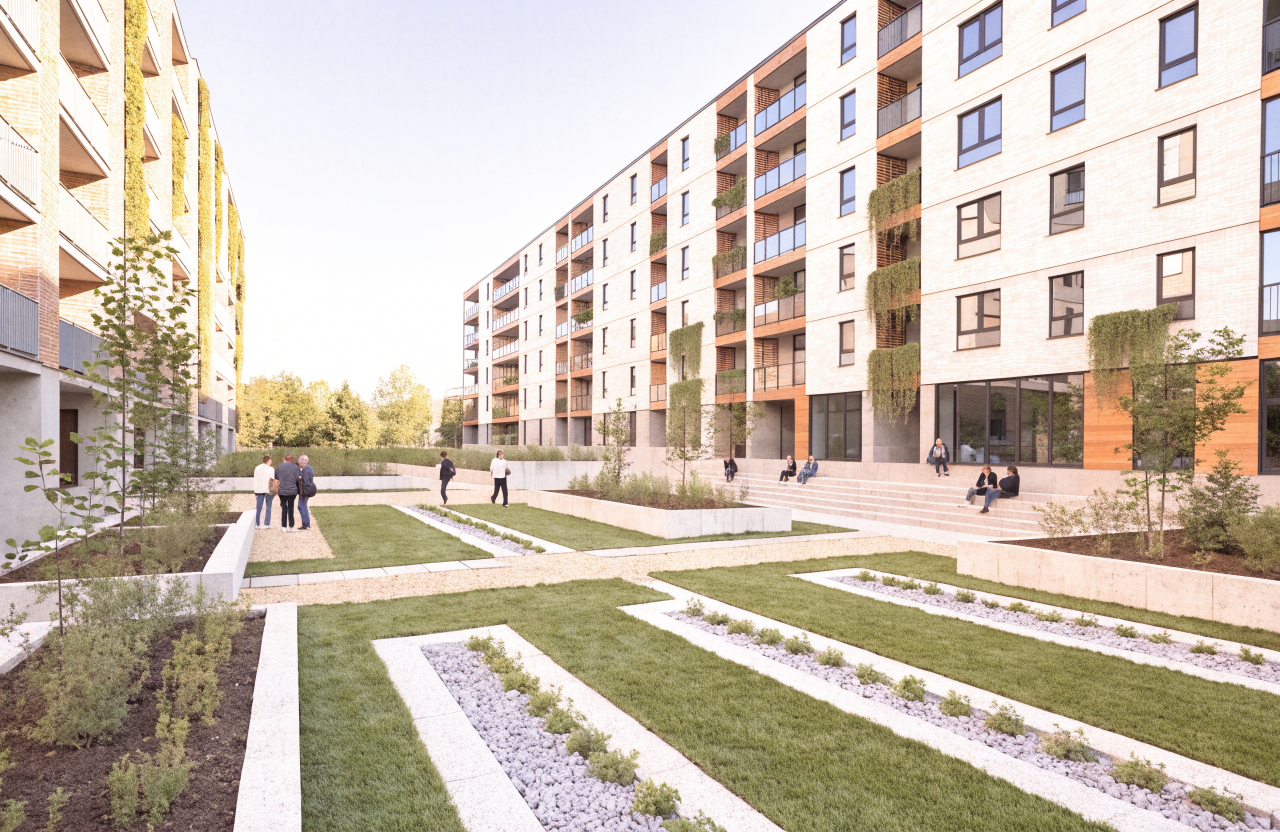
Built Environment & Liveability
Designing the physical city for the people who live in it.
A smart city is liveable first and technological second. This cluster covers the physical fabric of European cities and the human outcomes that fabric is supposed to deliver — proximity to daily needs, energy-efficient buildings that don't price residents out, and urban environments that support health and inclusion.
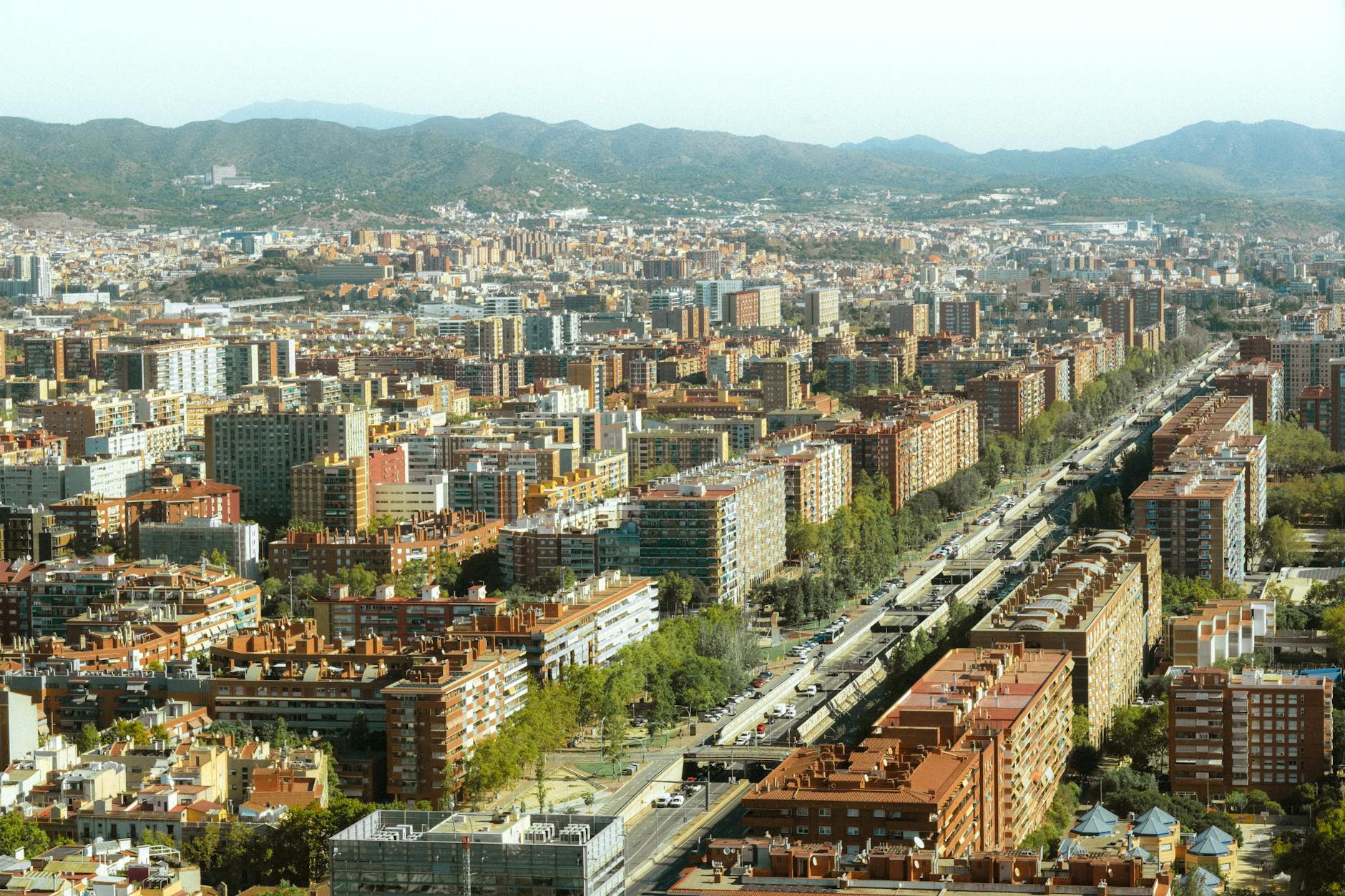
Frameworks shaping this work include the New European Bauhaus, the EU Renovation Wave, the Energy Performance of Buildings Directive (EPBD), and the URBACT urban-policy network. Cities like Paris (15-minute city), Vienna (Sozialer Wohnbau retrofit) and Barcelona (Superilles) have set widely-replicated reference points.
Three leaves sit under this cluster: urban planning and proximity models (the spatial frame), smart buildings and retrofitting (the building stock), and health, safety and wellbeing (the human-outcomes layer). Together they answer the question of what the smart city feels like at street level.
Go deeper
Long reads that explain built environment & liveability properly, with every number linked to its source.
3 subtopics in Built Environment & Liveability
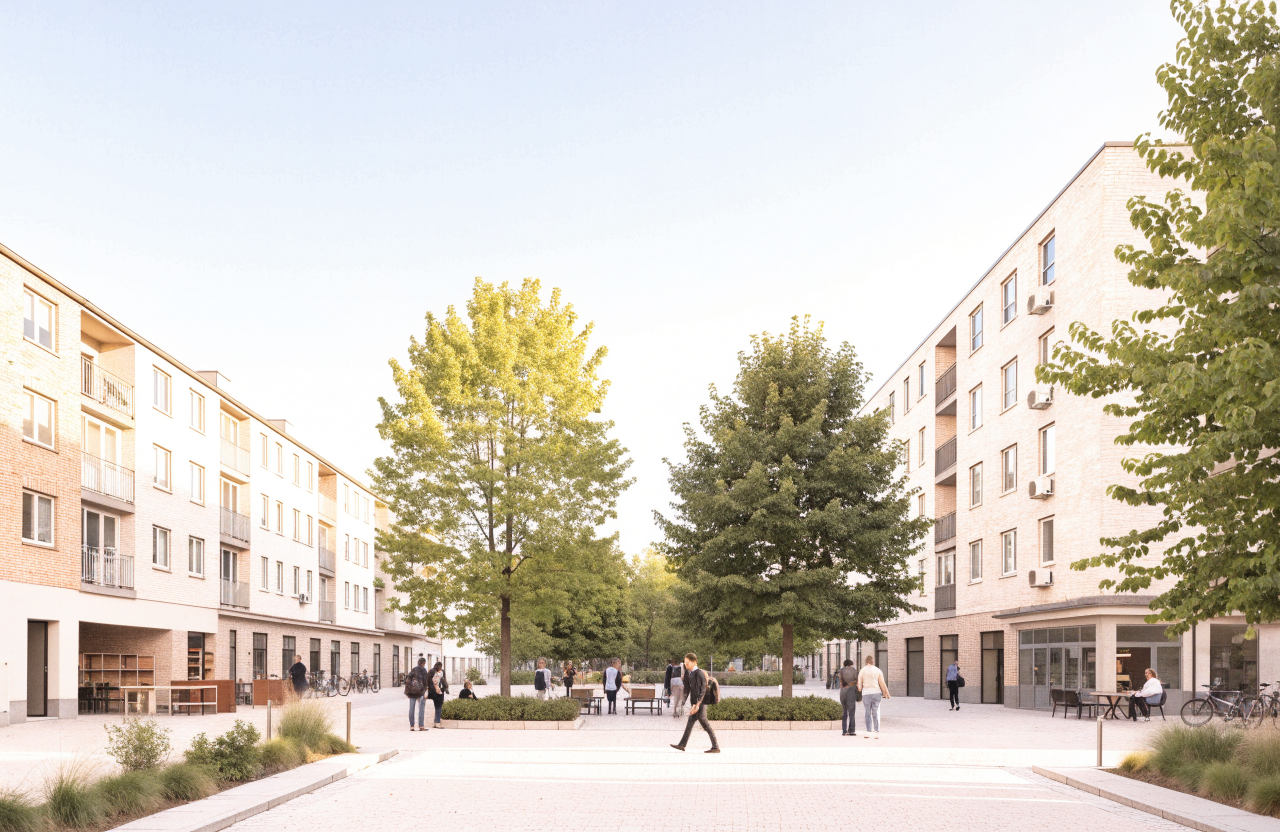
Urban Planning & Proximity Models
15-minute cities, regeneration, placemaking, and adaptive reuse.
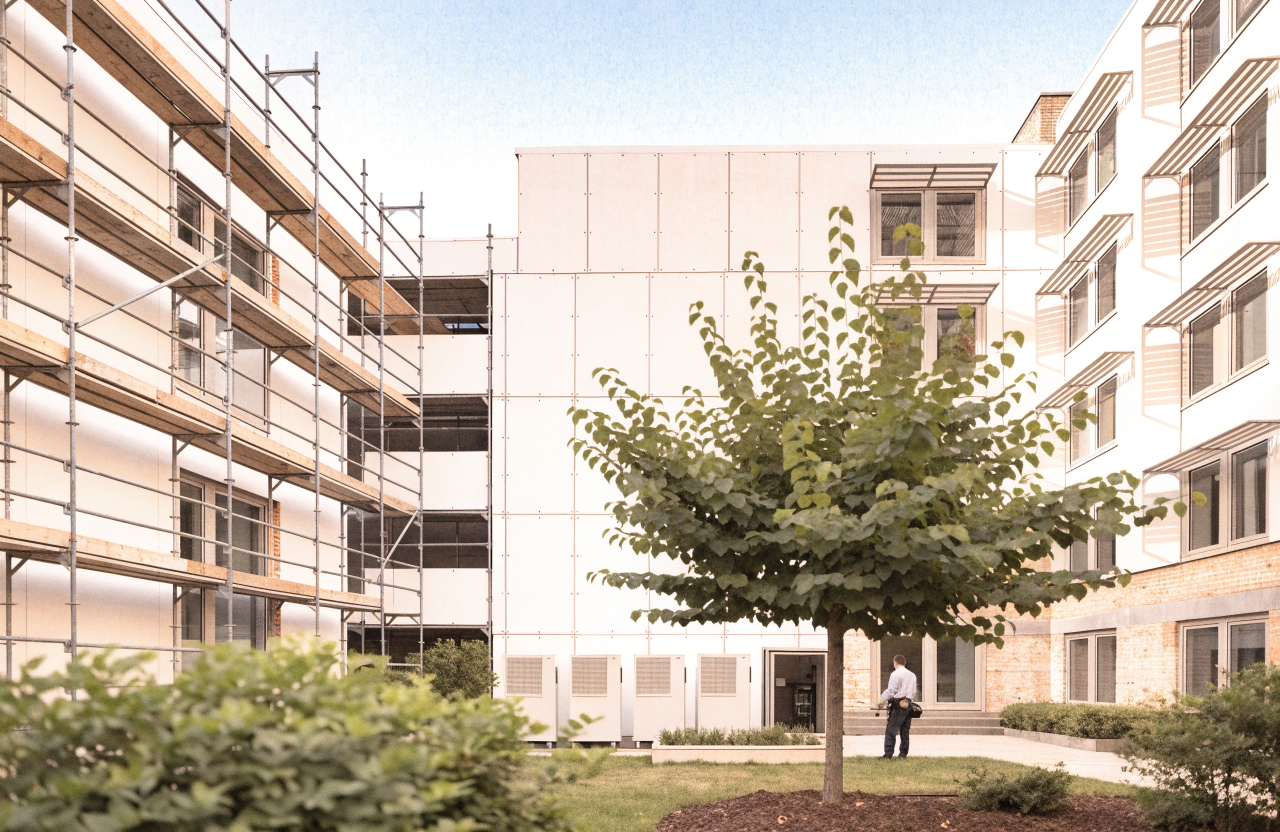
Smart Buildings & Retrofitting
Building-scale efficiency: BMS, heat pumps, deep renovation.
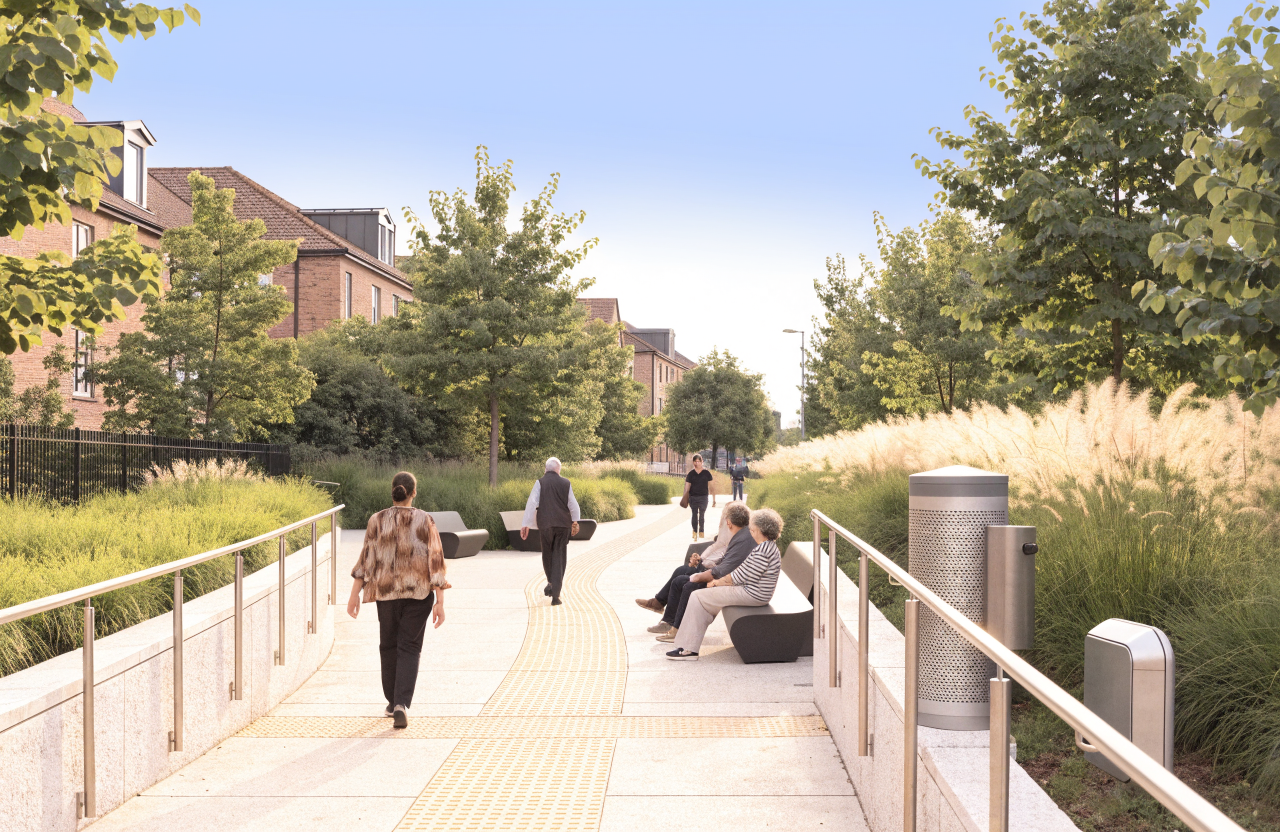
Health, Safety & Wellbeing
Air, safety, accessibility, and the human outcomes of urban design.
Knowledge highlights across Built Environment & Liveability
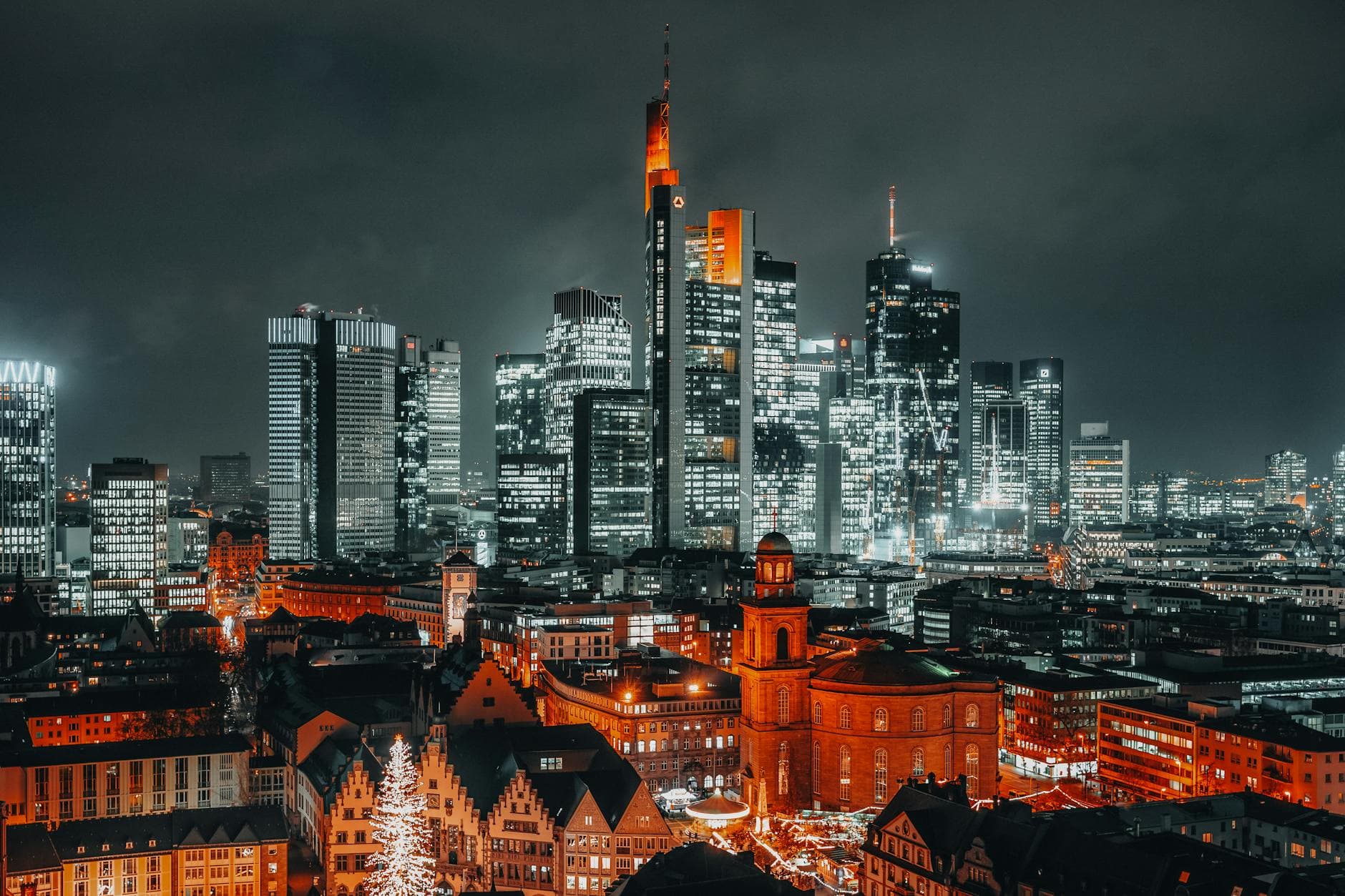
Frankfurt 2030+ Integrated Urban Development Concept
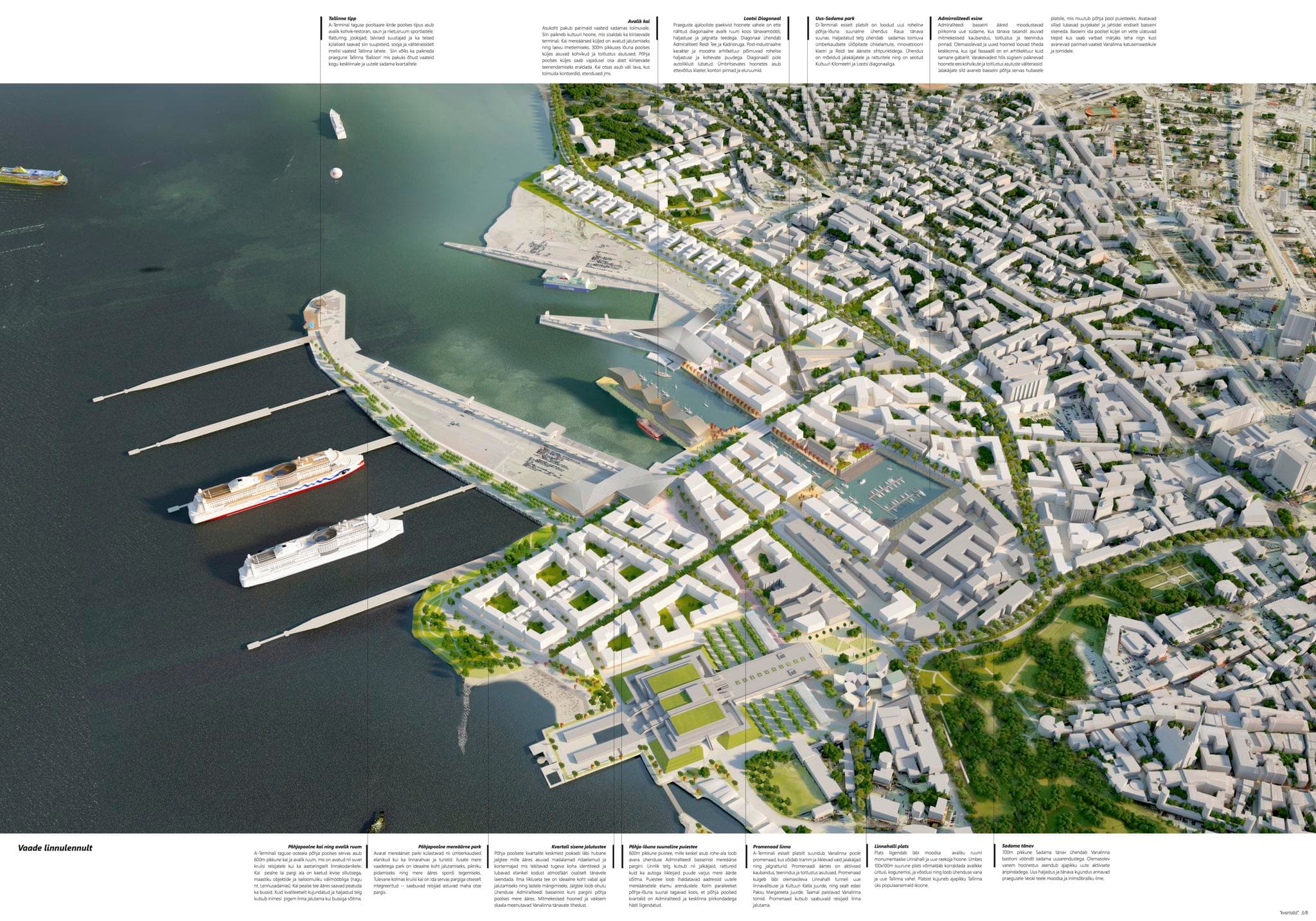
Tallinn Master Plan 2026
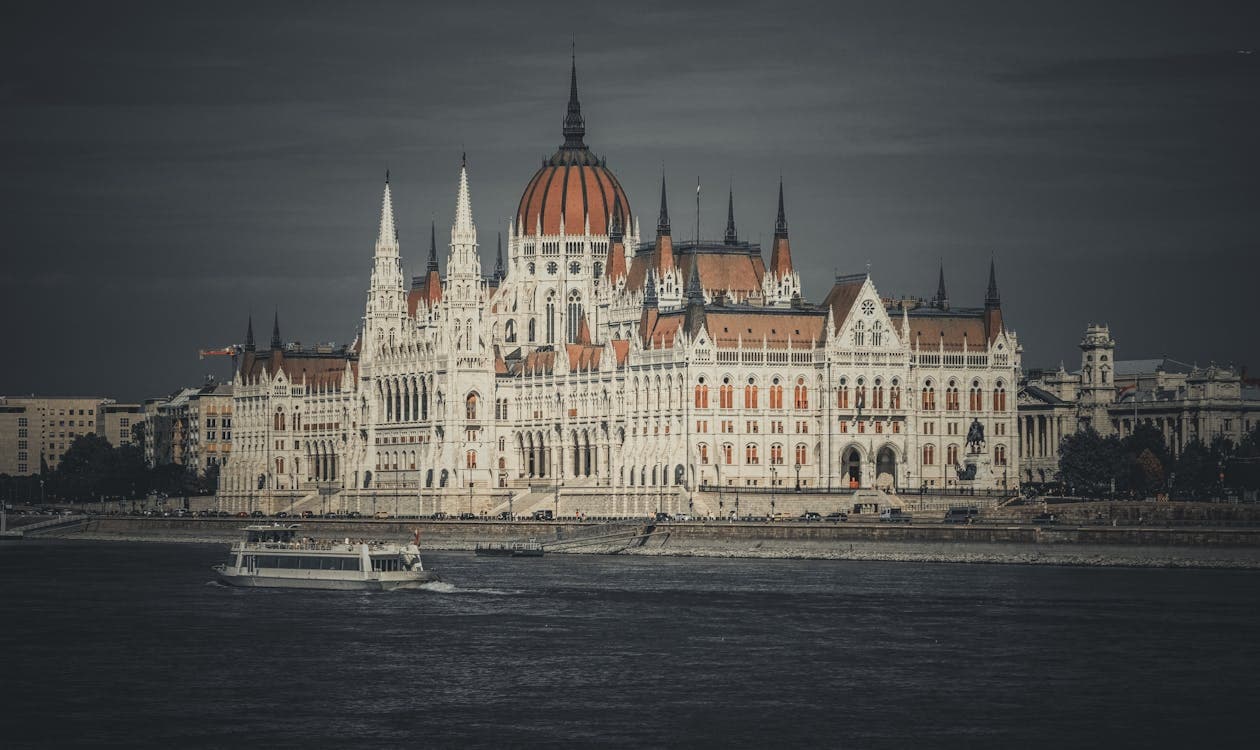
Budapest 2030 Long-Term Urban Development Concept
22@ Barcelona: From Industrial District to Innovation Hub
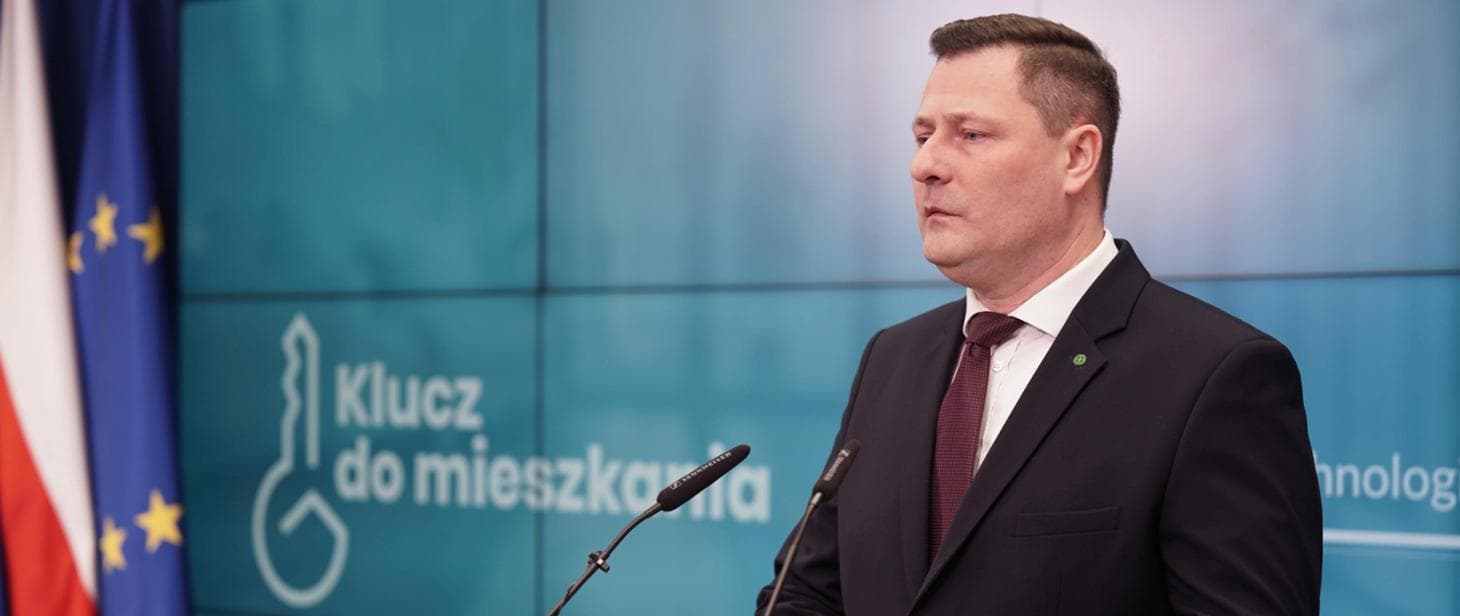
Key to Housing Programme (Klucz do Mieszkania)
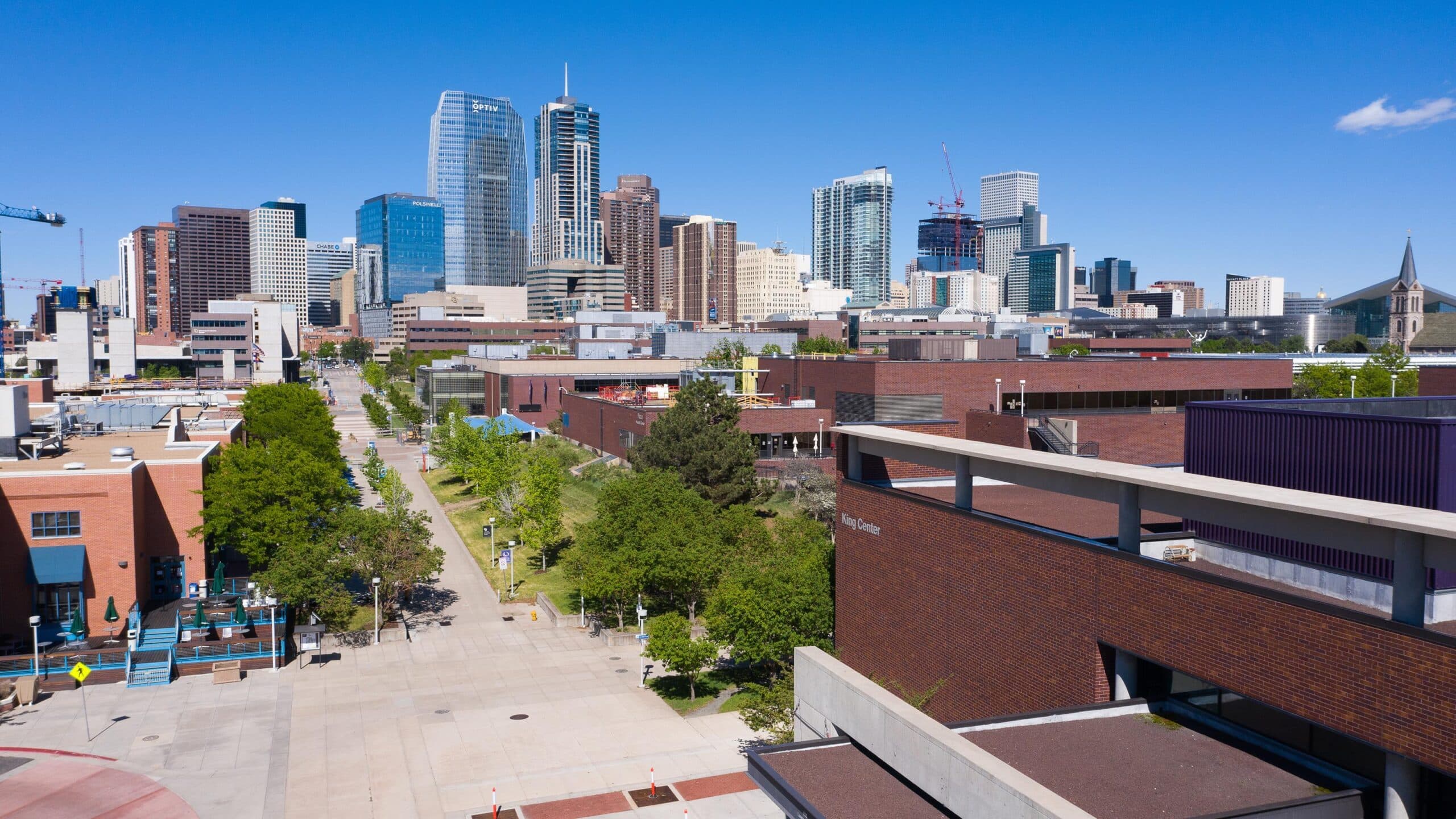
High-Rise Development Plan HEP2024
Organisations active in Built Environment & Liveability


Projects across Built Environment & Liveability
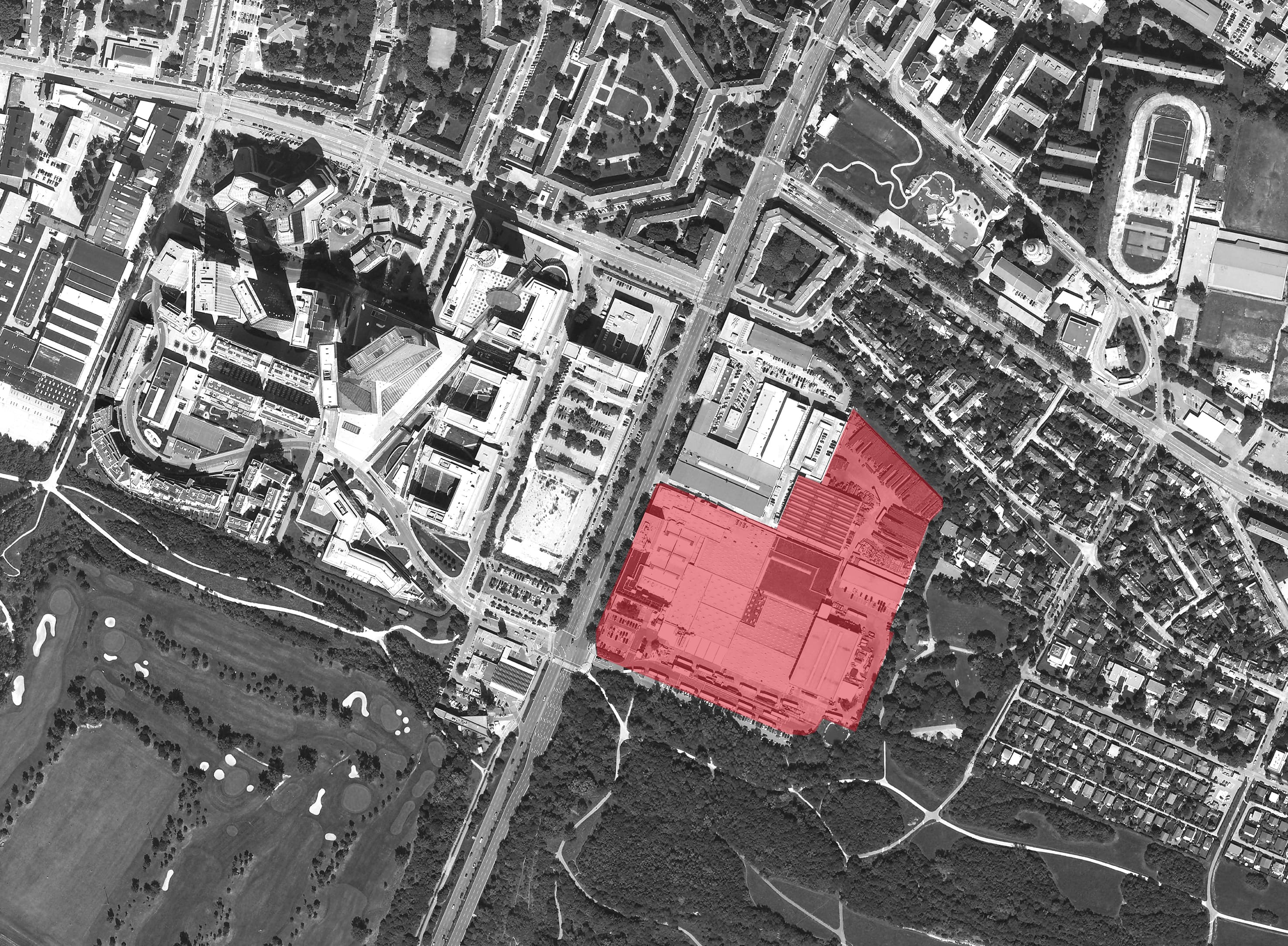
Biotope City Wienerberg
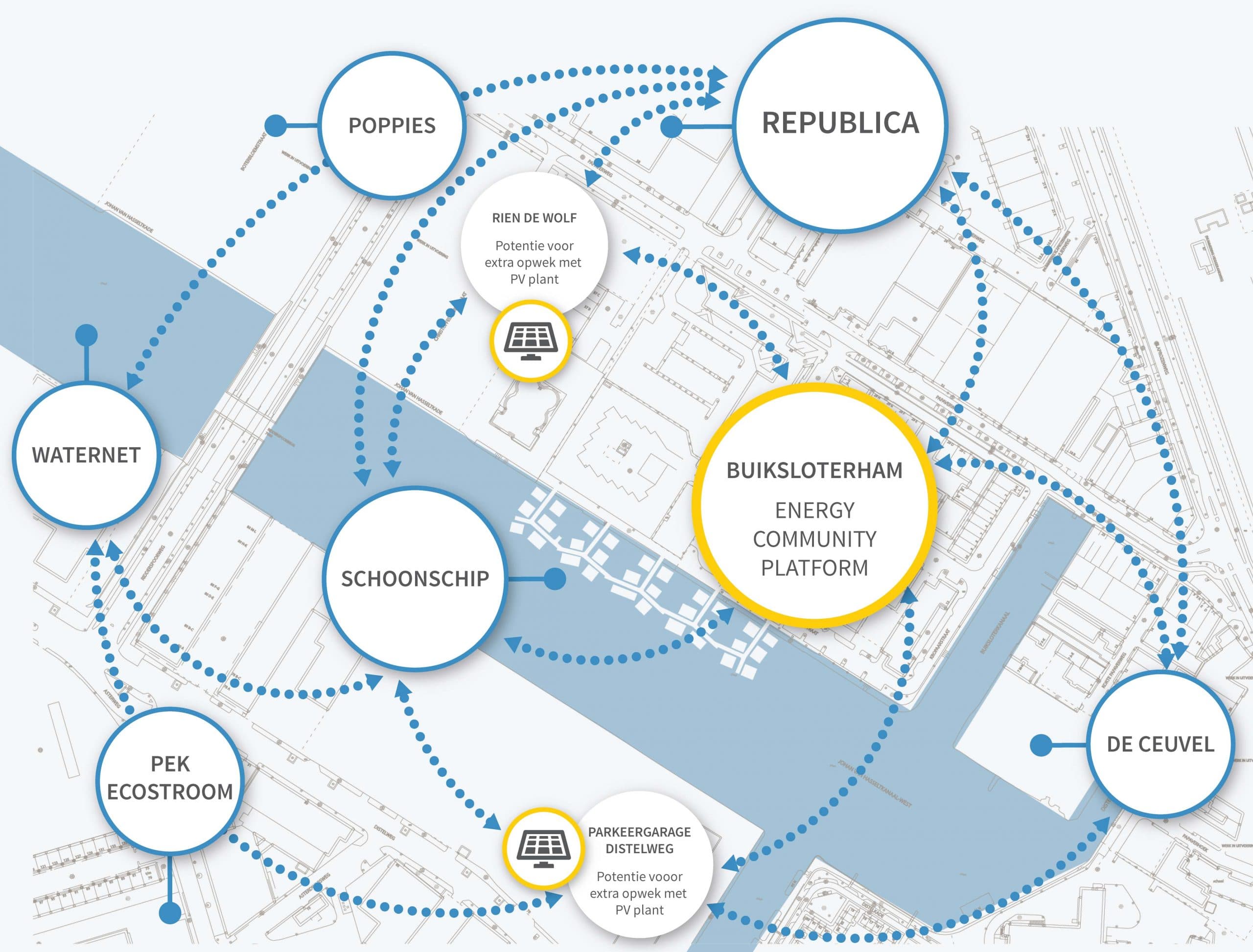
Circular Buiksloterham
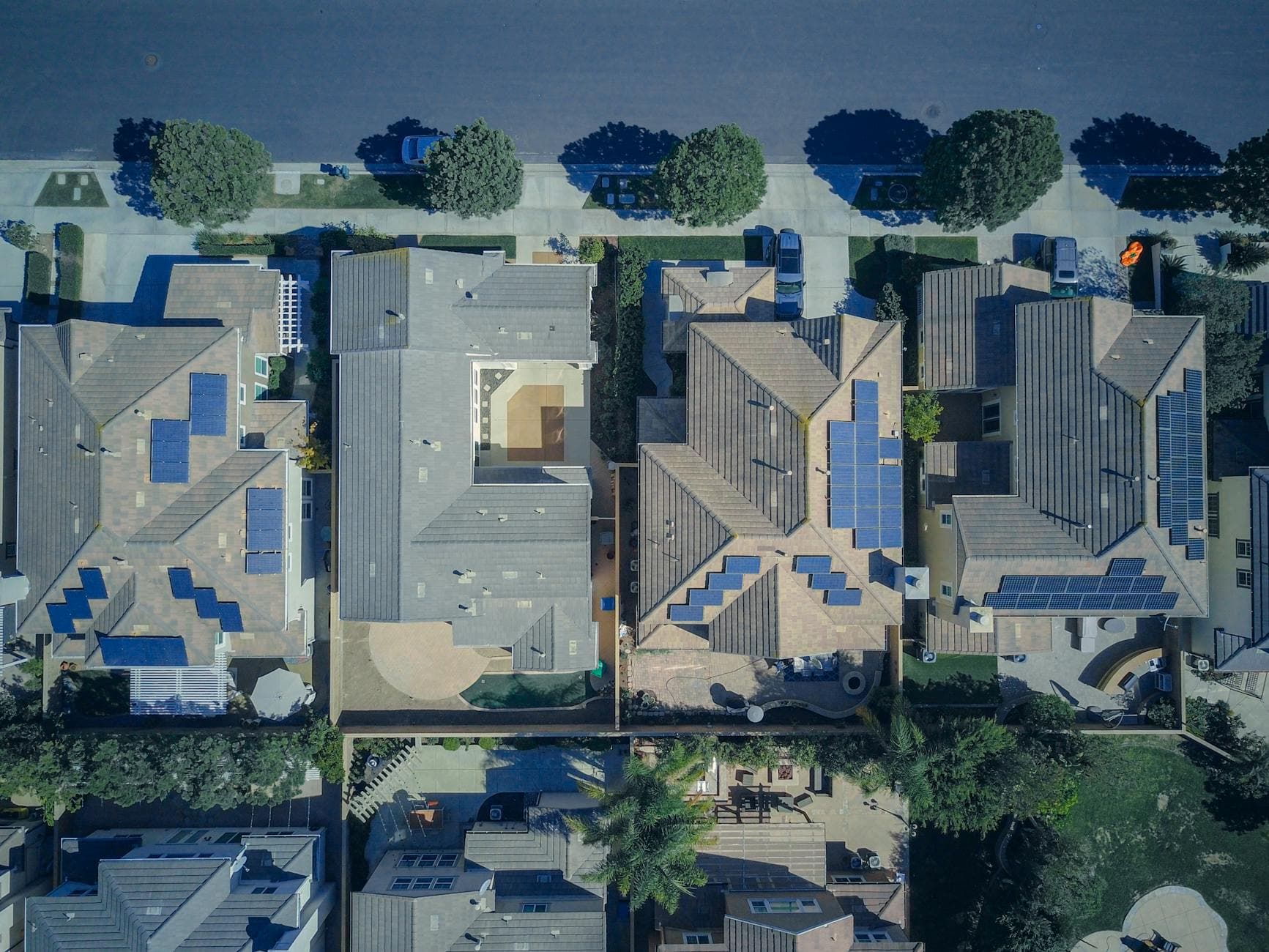
Distrito Universidad – Affordable Smart City
Jubilee 2025 Smart Infrastructure
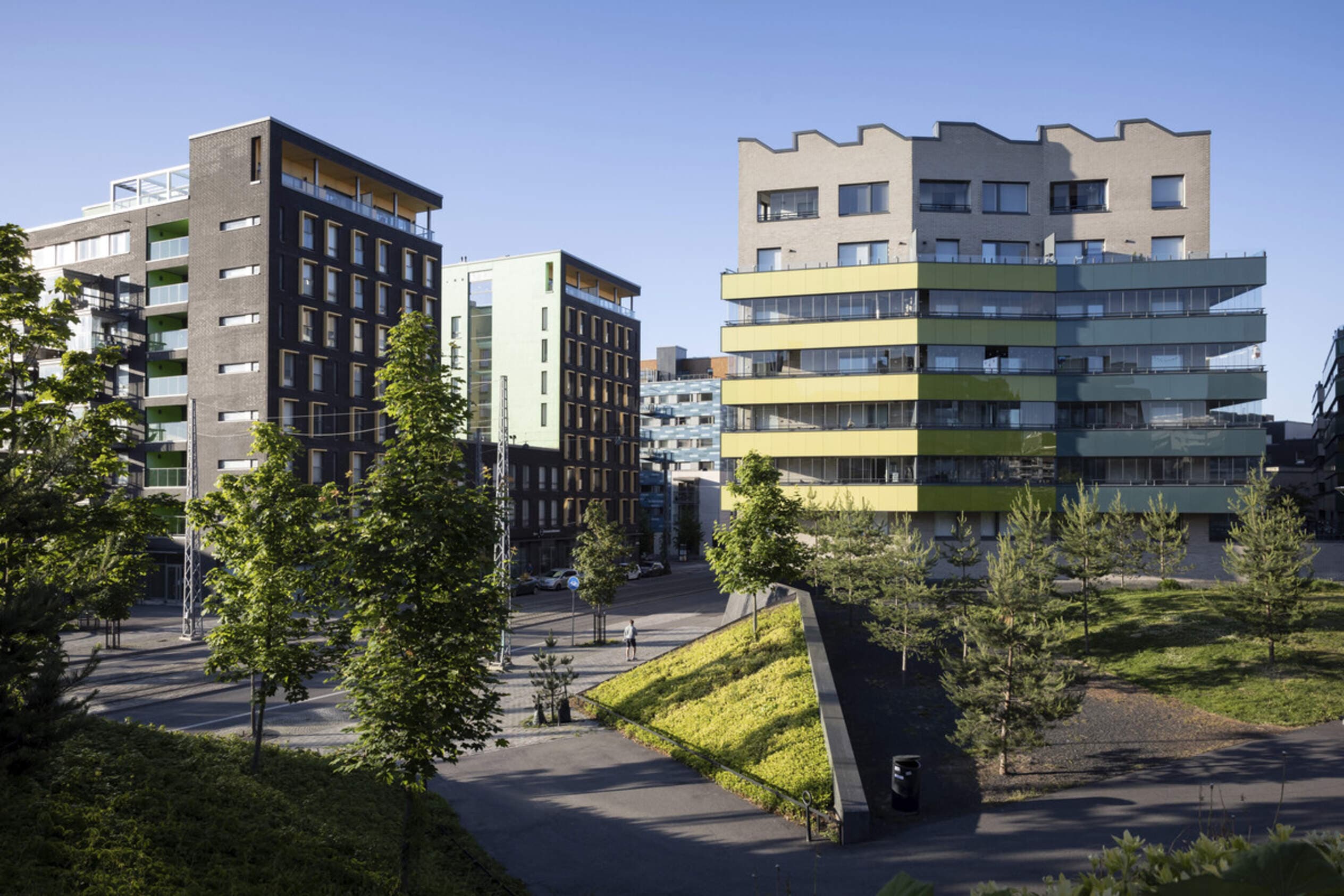
Jätkäsaari Residential District
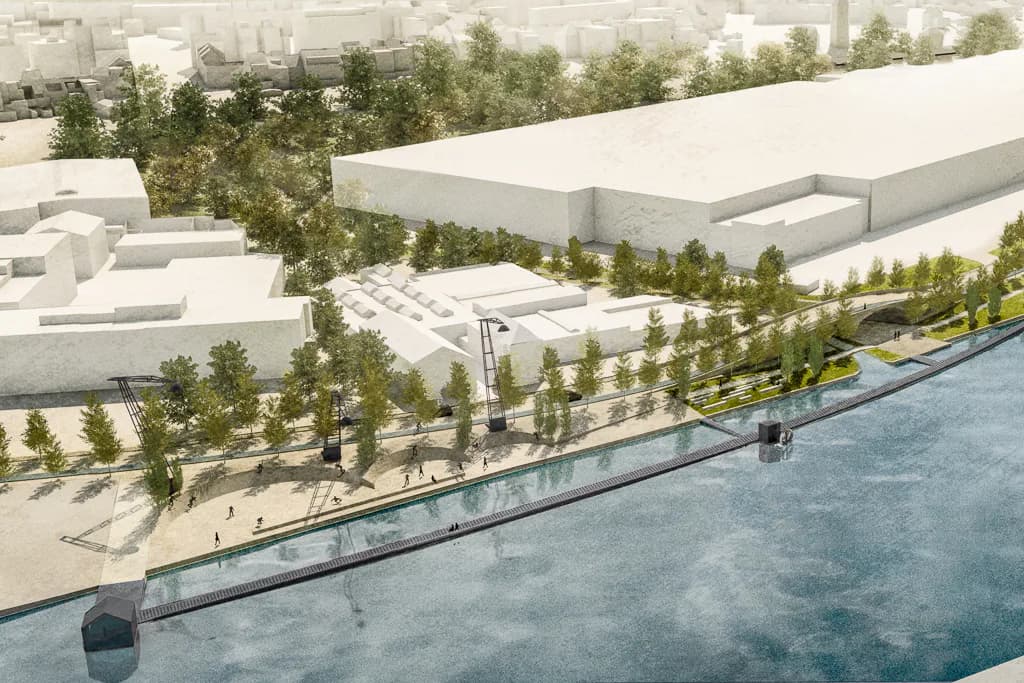
Kanal - Brussels Canal Zone Regeneration
Events related to Built Environment & Liveability
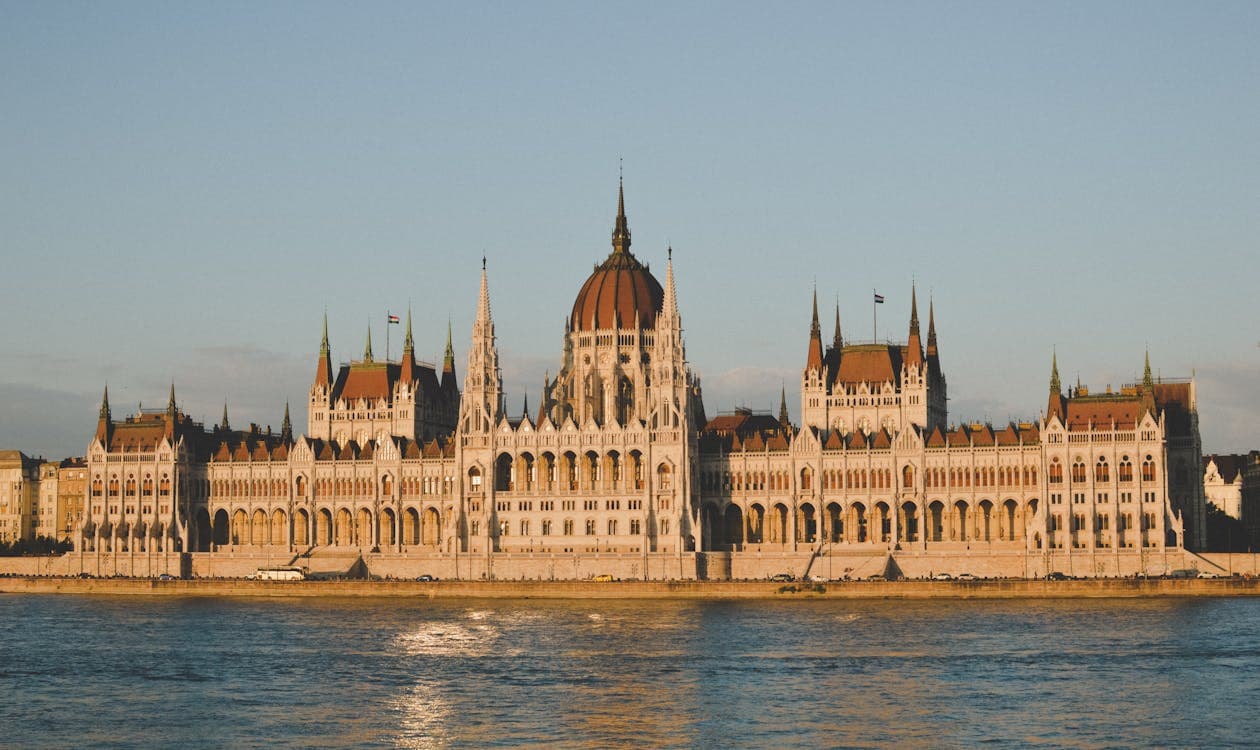
PropTech Budapest Conference 2025
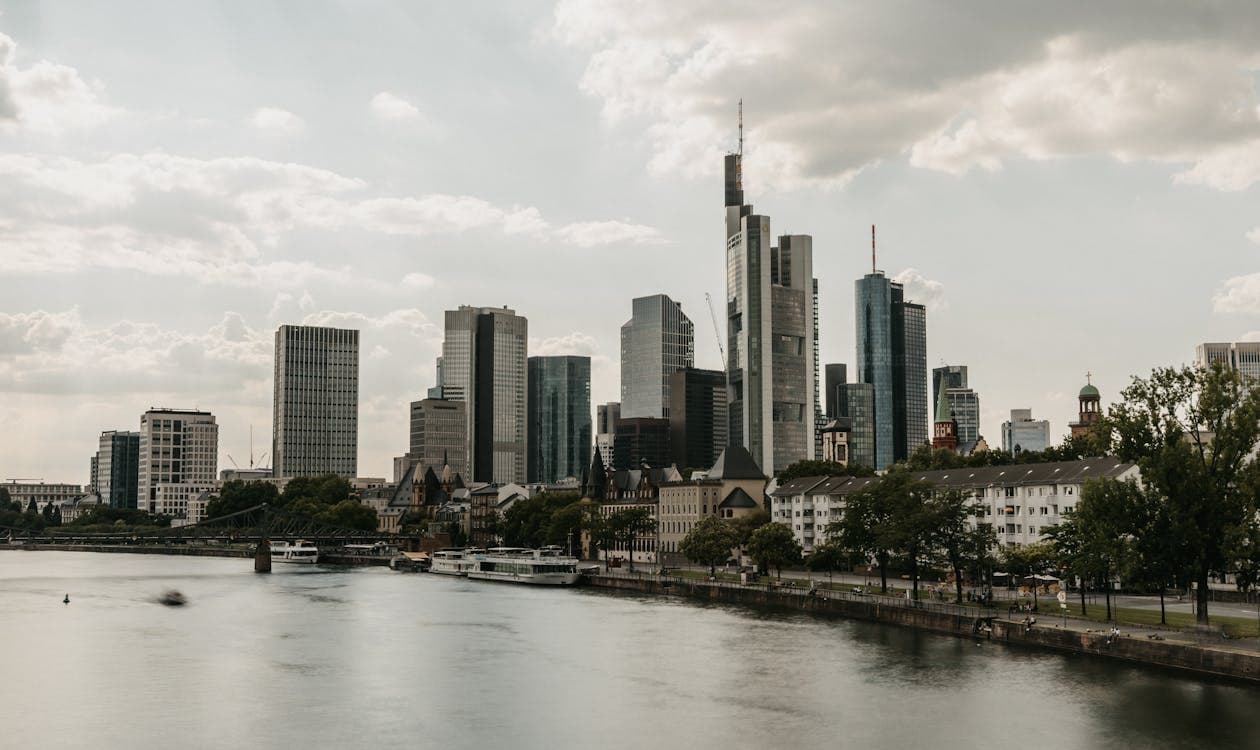
Light + Building Frankfurt 2026
Messe Frankfurt Smart Building Technology Forum 2026
Tomorrow.Building Forum Barcelona 2025
Other clusters
Have resources to share?
Help grow our knowledge base by submitting research, case studies, or other resources related to built environment & liveability.
Submit a Resource