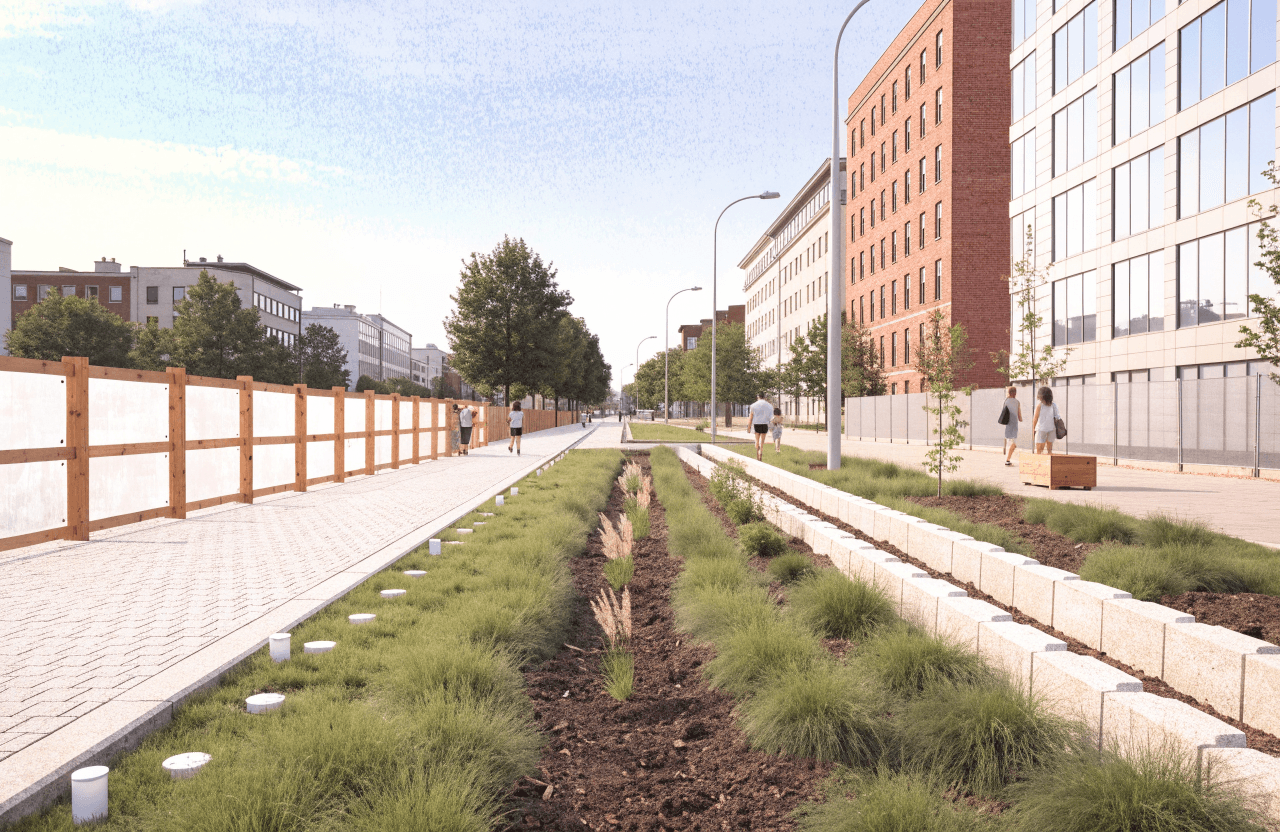
Albania’s rapid motorisation is putting pressure on air quality, road safety and urban quality of life, while investment has often given less attention to public transport, walking and cycling. The Sustainable Urban Transport in Albania project, known as SUTi II, is intended to help the Albanian Government and municipalities put sustainable mobility plans into practice. 1
Running from 1 July 2024 to 30 September 2029, the project is commissioned by Germany’s Federal Ministry for Economic Cooperation and Development (BMZ), implemented by GIZ, and works with Albania’s Ministry of Infrastructure and Energy. GIZ identifies Dr. Christian Mettke as the project contact. 1 A project factsheet describes the work as building on experience in Tirana and extending practices to other parts of the country. 2
The programme combines municipal support, national policy advice and digital projects. At municipal level, it aims to strengthen institutions, modernise public transport and expand walking and cycling infrastructure. Nationally, it supports public-transport reforms and advice on aligning regulations with EU legislation, while promoting inclusive, data-informed decisions. Its digital work includes improved mobility data systems, management applications and pilot projects developed with Albanian stakeholders. 1
The factsheet gives examples of the intended work, including digital tools for bus systems such as real-time tracking, and says expected outcomes include more coordinated transport initiatives based on data-driven planning and policy reform. These are stated as expected outcomes; the available project information does not report completed results. 2 The project’s financial commitment for its current implementation phase is €15 million, with €10 million in EU co-financing. 1