AI-Generated Summary
Project Overview
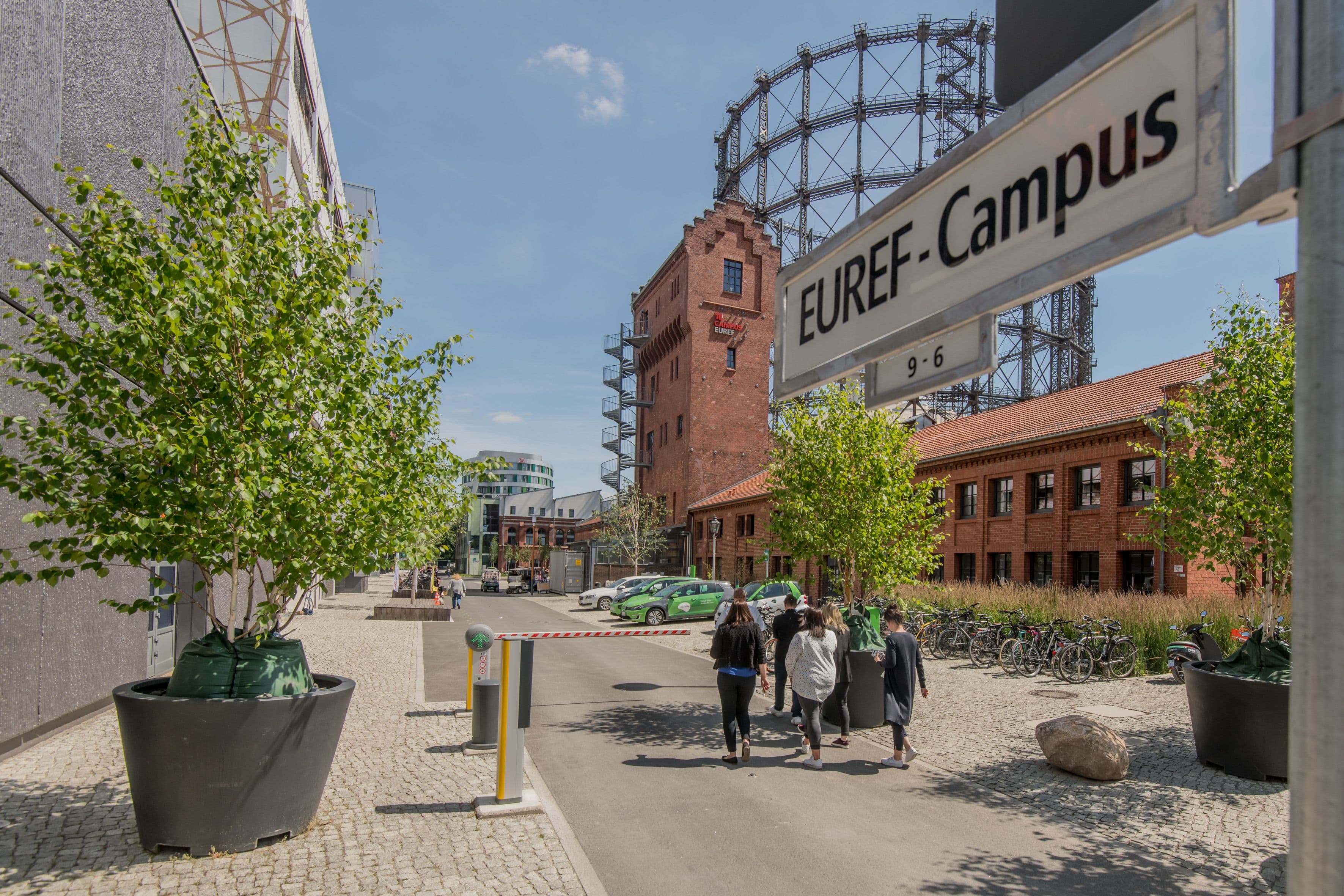
The EUREF-Campus in Berlin-Schöneberg is described as an innovation and technology hub focusing on energy, mobility and sustainability. The page lists EUREF AG as publisher and Olaf Czernomoriez as author. Since the project started in 2008, the approximately 5.5-hectare urban district has evolved into an internationally recognized living lab for the energy transition. The text says 7,000 people work, conduct research and study there across more than 150 enterprises, institutions and start-ups.
Key Findings
- Every year, more than 70,000 people visit the campus to learn about solutions in energy, mobility and sustainability.
- Since 2014, the campus's thermal energy supply has been CO₂-neutral, which the text says meets Germany's CO₂ climate targets for 2045 ahead of schedule.
- Testimonials report that the vision of EUREF has been implemented after 10 years of setup and enjoys renown countrywide and internationally.
- The GASAG Group states it supports the path to decarbonization and is a major partner.
Setting and Activities
- The campus is presented as a real-world laboratory and showcase for the energy transition.
- Its occupants are described as global players, hidden champions, institutions and start-ups, covering research and teaching.
- Offerings listed on the page include a think tank, an energy workshop and catering.
Purpose for Energy Transition Stakeholders
- The text says the campus is meant to show that innovative technological energy solutions are possible in a complex energy economy.
- A testimonial states that "EUREF-Campus proves that a solution to the energy paradox is possible today."
- The page addresses visitors who want to learn about energy, mobility and sustainability solutions, as well as young people being trained and researchers working on the campus.