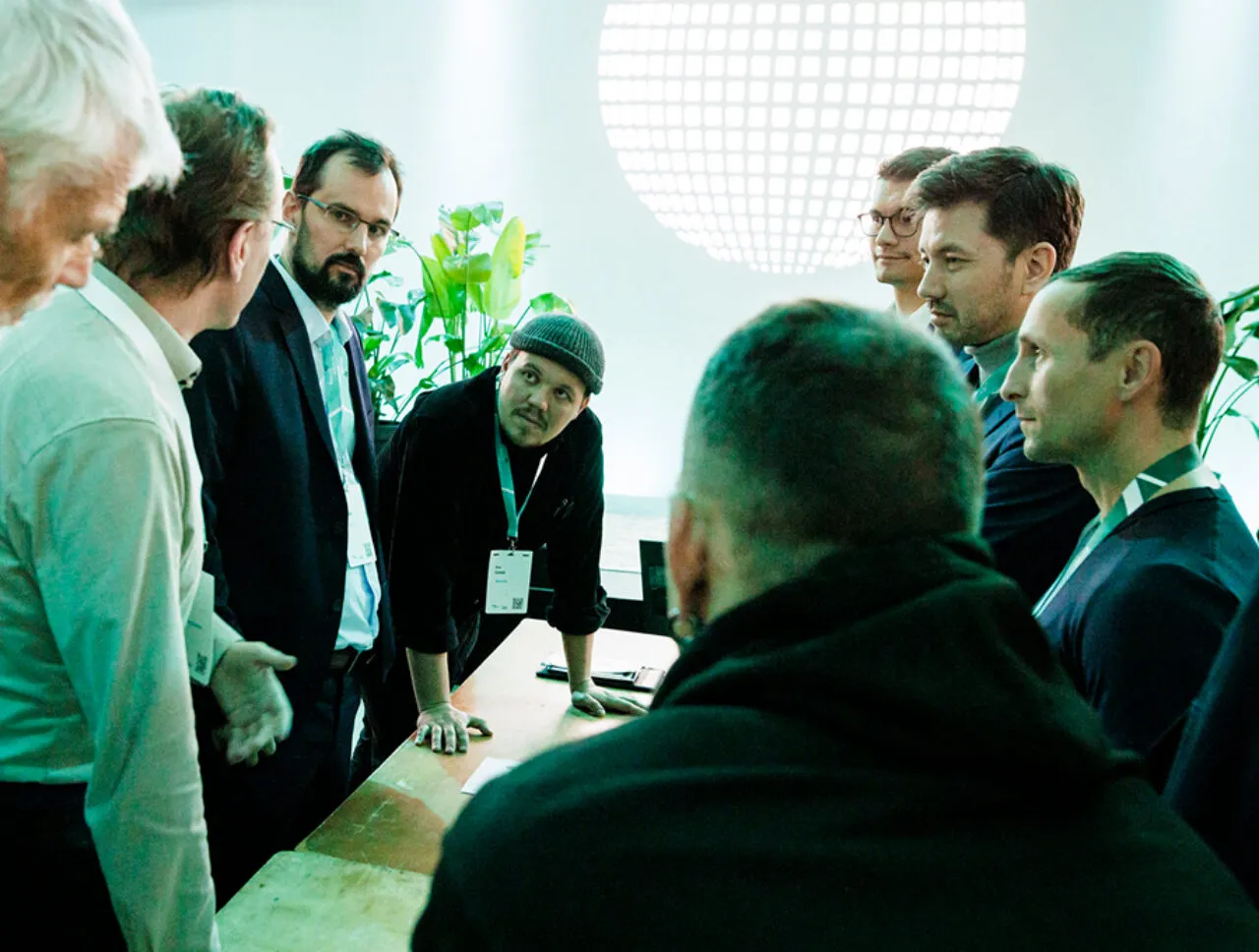
Energiesprong, or “Energy Leap,” is a global alliance focused on making homes and buildings fit for a net-zero future. Founded in 2010 and originally developed in the Netherlands, the initiative now works across several European markets and beyond, with a model built around large-scale, industrialised renovation. Its core aim is to cut energy use in existing buildings while improving comfort, affordability and delivery speed.
The approach combines whole-house refurbishment, prefabricated insulated façades, new roofs, and on-site renewable energy generation. Rather than treating retrofits as one-off projects, Energiesprong tries to turn them into repeatable products. That means working on standardised components, performance guarantees, financing models and supply-chain coordination. The alliance says it collaborates with building owners, residents, innovative companies, governments and financiers to make the economics of renovation work over time.
A key part of the methodology is the use of market development teams. These teams adapt the model to national conditions by testing delivery methods, understanding policy and finance constraints, and helping scale new business cases. Energiesprong currently names teams in France, Germany, the UK and Italy, while also supporting a wider network of projects across Europe.
Results to date show the model has moved beyond theory. According to case-study material from the Global Infrastructure Hub, the Dutch programme has delivered net-zero-emissions retrofits to more than 113,000 homes. Internationally, additional projects are in development across the Netherlands, the UK, France, Germany, Italy and the US.
The alliance is coordinated as a network rather than a single company, with a small central organisation and country teams of retrofit experts and partners.