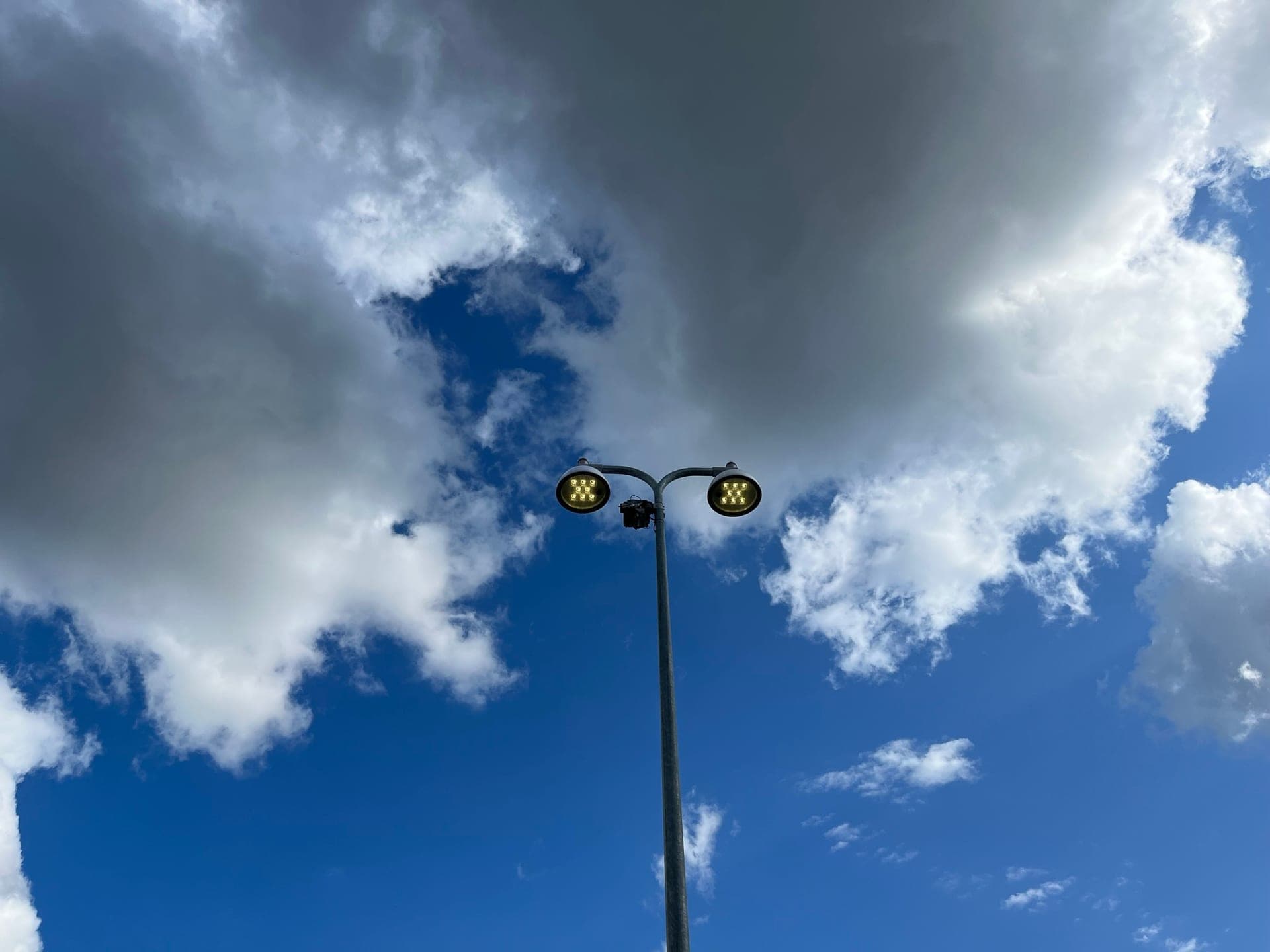
The article from Energy Cities presents DOLL Living Lab as a practical demonstration site for smart city technologies on the outskirts of Copenhagen, Denmark. The visit was organised in the context of the Smart EPC consortium, which was seeking a place to examine how energy performance contracting can be combined with modern public lighting and other urban services.
DOLL — short for Danish Outdoor Lighting Lab, now developed as the DOLL Living Lab — started in 2014. It is based in Copenhagen and covers an industrial area of about 1.5 km². According to the article, it hosts more than 75 real-life use cases and receives over 10,000 daily users. Its scope goes beyond lighting and includes intelligent traffic systems, IoT applications, smart parking, air quality sensing, EV charging, environmental monitoring, and data management.
The methodology is based on testing solutions in real urban conditions, with public and private actors working on neutral ground. The visit highlighted the importance of standards and interoperability, alongside data governance and energy use. Companies such as Tridonic, ObiWAN Conobi, Seneco, Felicity and LumenRadio presented technologies linked to lighting control, machine learning, AI, and traffic sensing. One example was the C99 Cycle Superhighway, where motion detectors and AI-based sensor nodes collect anonymous traffic data. Another example was wireless outdoor lighting control combined with future IoT functionality.
DOLL is also part of wider European cooperation, including projects linked to the Digital Europe Programme, Net Zero Cities and CitComAI. The article shows a lab that has become a working testbed for cities and suppliers seeking to compare, validate and replicate smart city solutions in practice.