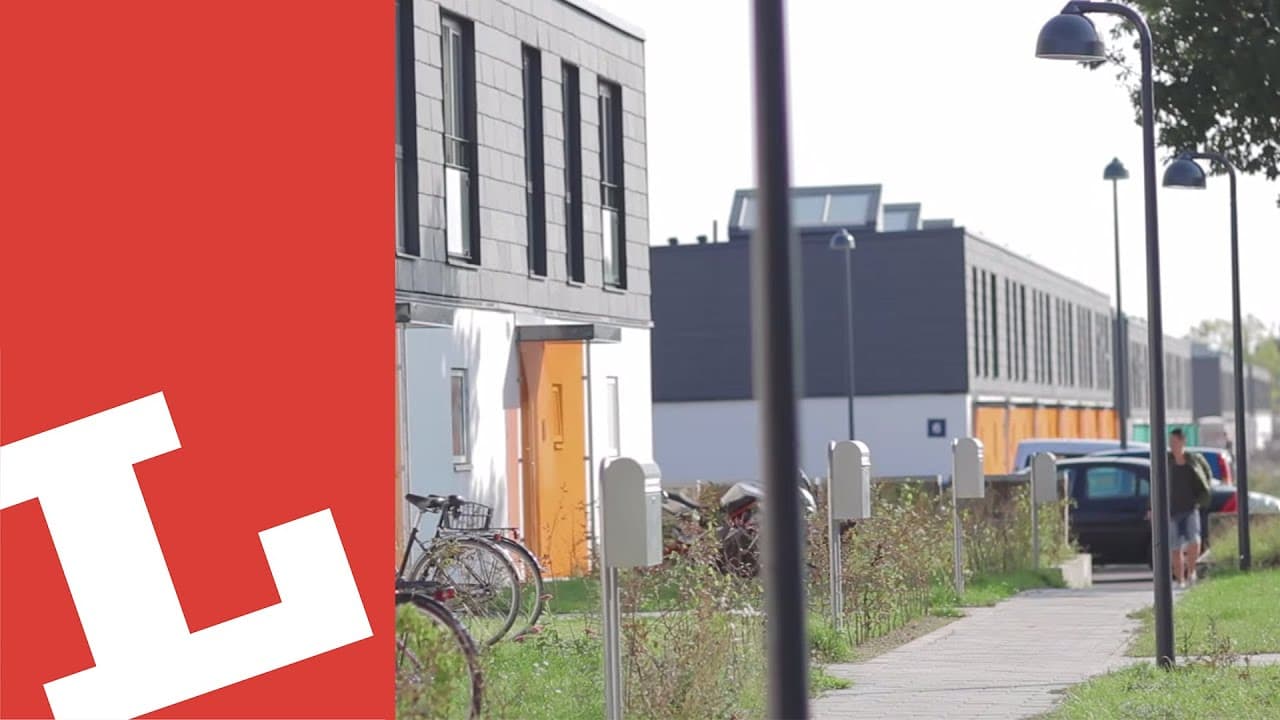
Denmark’s Outdoor Lighting Lab is a full-scale testing ground for smart streetlighting in Albertslund, near Copenhagen, in Denmark. The project was created to let cities, suppliers and researchers test lighting technologies under real conditions rather than in a laboratory. Its focus is on streetlights that can be monitored, dimmed and controlled more precisely, with an eye to energy savings, better maintenance and adapting lighting to actual use.
The method is straightforward: the lab uses a real urban environment as a living lab, where different systems and components can be installed, compared and evaluated. This allows project partners to study performance, reliability and operational needs in everyday weather and traffic conditions. The approach is useful for measuring not only technical output, but also how smart lighting affects municipal operations and public space management.
According to the available material, the lab has been presented as a “life-sized testing ground for the smart streetlights of the future.” It forms part of a broader Nordic and European interest in living labs for urban infrastructure, where public authorities work with private technology providers and knowledge institutions to test new solutions before wider deployment.
The project’s main value lies in practical evidence. Rather than promising future benefits, it demonstrates what connected lighting can do in a city setting and how municipalities can use the data and control options it provides. That makes it relevant for other local governments looking at energy-efficient lighting upgrades and more flexible street management.