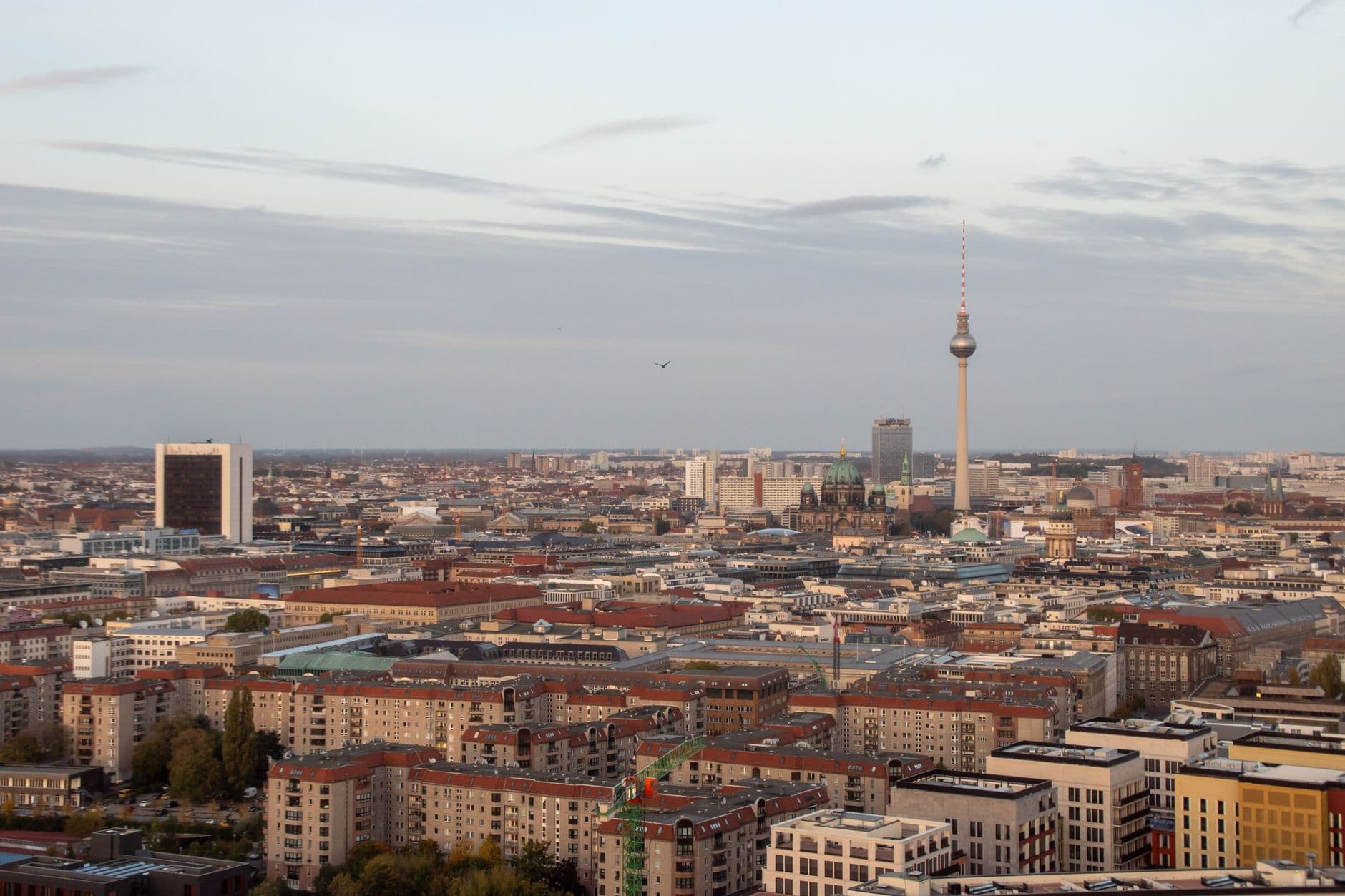
Smart City Berlin Network is the city’s main platform for linking digital innovation, urban policy and public participation around Berlin’s transition toward a smarter, more resilient capital. The network’s work is tied to Berlin’s wider smart city process, which frames “smart” not as technology alone, but as the use of digital tools to generate social benefit, strengthen democratic participation and support the common good.
The organisation is based in Berlin, Germany, and its scope is primarily local, even though its projects and references connect to wider European smart city debates. It brings together actors from administration, business, science and civil society, and presents Berlin’s transformation as a long-term process rather than a single programme. The city’s stated goals include becoming intelligent, networked, post-fossil and resilient while responding to climate change, the mobility transition, energy demands and administrative pressures.
A key part of the network’s role is to showcase and connect projects across different urban fields: data and digitalisation, mobility, energy supply, climate and environmental protection, health and social services, circular economy, urban development and administration. The platform highlights competitions, events and pilot initiatives, including the City Challenge Berlin, which in 2026 called for solutions to “intelligent speech assistance” and “smart construction site information” for the city administration. It also points to Reallabor U-Space, where the role of drones in everyday Berlin life is being tested under real conditions.
The network is closely associated with Berlin’s second smart city strategy, “Gemeinsam Digital: Berlin,” adopted in December 2022, and with five pilot projects due to run until the end of 2026. Its profile is less that of a standalone company than of a civic innovation network that documents, coordinates and amplifies Berlin’s smart city ecosystem.