Organisation Profile
MotionLab.Berlin describes itself as Germany's premier Innovation Hub & Makerspace, an ecosystem for Hardtech, art, creativity, and entrepreneurship. The website presents it as a place where hardtech founders, engineers, and creatives build technology together, with professional labs and a community of 2,000+.
Locations and Facilities
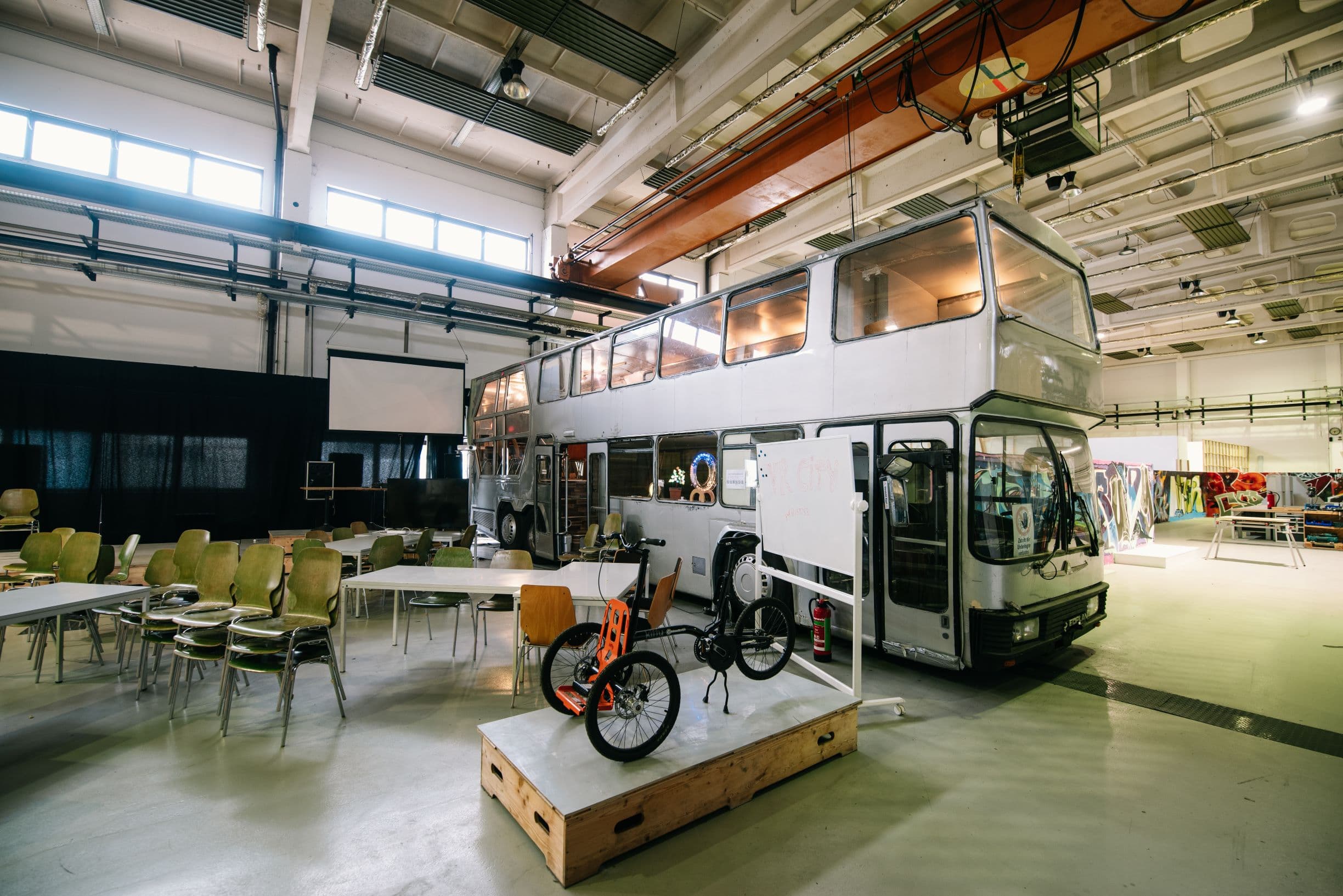
The organisation operates three campuses in Berlin: Alt-Treptow, Marzahn, and ringberlin. The text states that eight labs are available at Alt-Treptow, including CNC machines, laser cutters, metal workshops and 3D printing at scale. The ringberlin campus is due to open in 2027 in Mariendorf, with 17,000 square metres.
Recognition and Status
The German Federal Ministry for Economic Affairs and Climate Action (BMWK) recognises MotionLab.Berlin as Germany's official Deep Tech Hub, as part of the de:hub initiative. The text says this recognition reflects what the community has built over eight years.
History
According to the text, Fridtjof, Chris and Christoph found an empty hall in Alt-Treptow in 2017 and rented it with a loan from the Berlin Industrial Group. MotionLab.Berlin was officially founded in 2018. The Hardtech Innovation Accelerator welcomed its first cohort between 2019 and 2022, and Campus Marzahn opened in 2022.
Key Figures
The site reports a team of 25 people, a community of over 2,000, more than 110 companies, and over 100 events a year. It states that community members have exited to Ford Motor Company for over €250 million, and that 60+ partners work across legal, financial, manufacturing and investment.
Programs and Services
The main programs are the Hardtech Innovation Accelerator, Deep Tech in Motion and the Tech Talent Program. Services include event spaces, event packages, innovation tours and membership. The text notes a partnership in which HEUKING became the exclusive legal partner for company formation, IP and investment rounds.
Why It Matters for Hardtech Founders and Innovation Partners
In its own terms, MotionLab.Berlin exists so that people can build things without hidden costs, without buying their own machines and without doing it alone. It addresses startups, corporations and creatives, offering a route "from lab to market" and a space to build and scale.