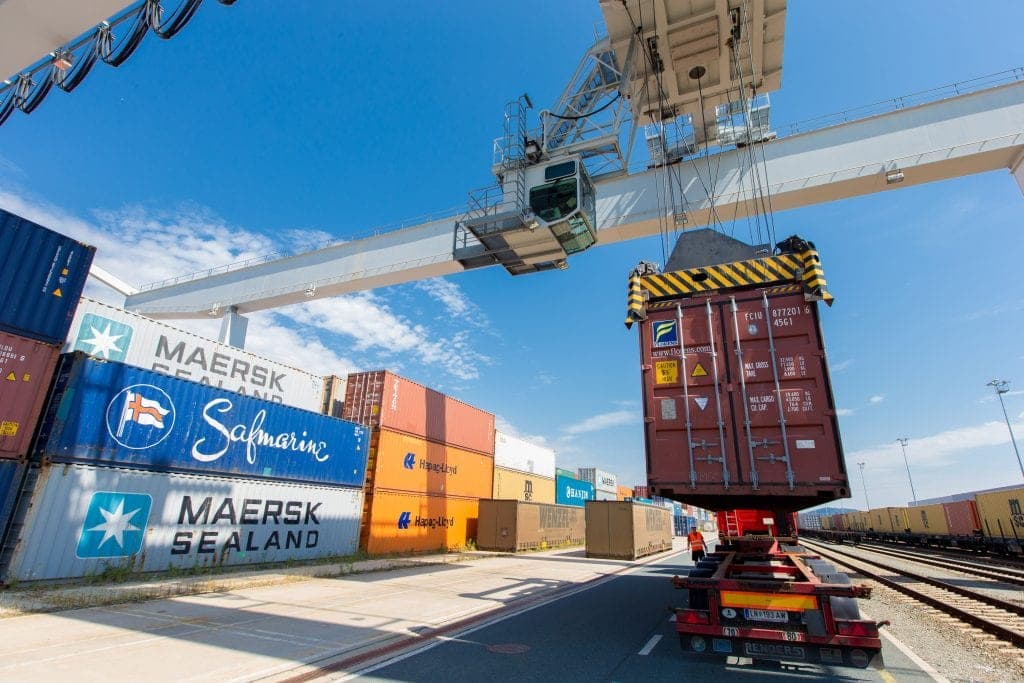
Vital Nodes was a two-year European project launched in November 2017 to improve how cities connect freight movement on the Trans-European Transport Network (TEN-T) with local delivery. It focused on the 88 urban nodes on TEN-T corridors, where rising freight traffic can add to congestion, air pollution, noise and road-safety risks.25
The project brought together a consortium of 10 partners from five countries and built on existing European, national and regional networks. Its approach adapted the “Networking for Urban Vitality” methodology, combining analysis of transport infrastructure and urban development with workshops and an appraisal process. Work began with a pilot in Vienna, then developed and tested the approach with focus cities before extending it to other urban nodes.25
Rather than proposing a single solution for every city, Vital Nodes sought to produce recommendations tailored to local conditions. Its work addressed multimodal links between long-distance freight and last-mile logistics, and the wider challenge of integrating accessible, viable freight systems with sustainable urban living.25
The project concluded with policy recommendations shaped through stakeholder consultations and collaborative workshops involving experts, practitioners and policymakers. They were organised in a toolbox covering strategy and value; networks and space; governance and timing; finance and funding; and research and data. The project also reported a lasting expert network and a tested approach for future cases among its main outputs.24