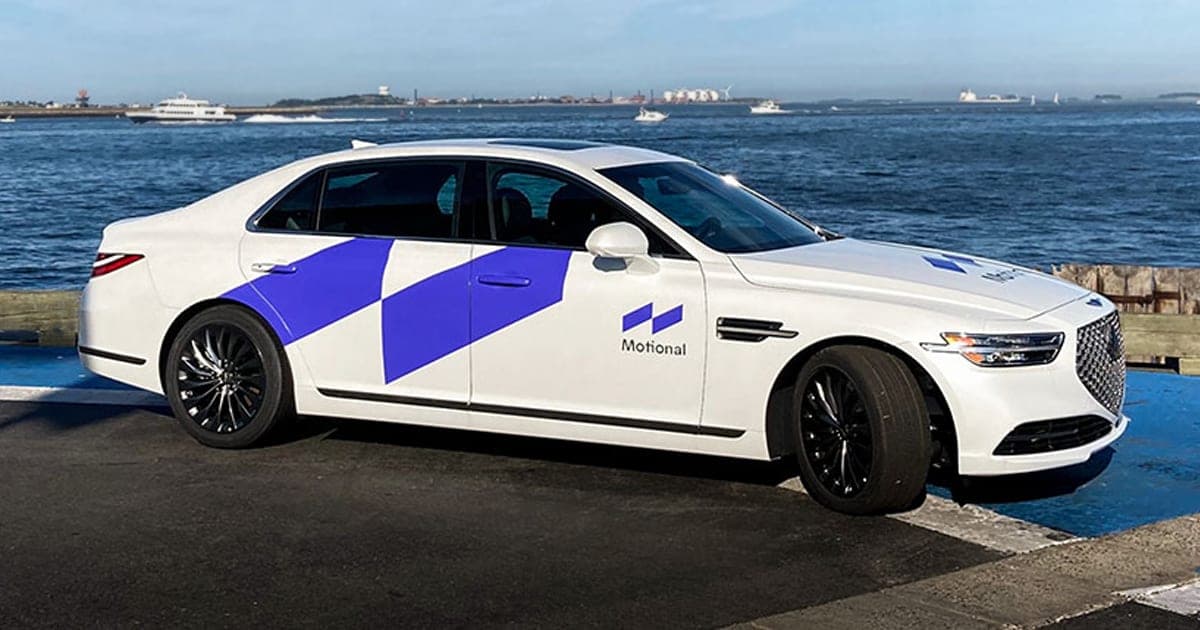
Boston’s autonomous-vehicle program is a controlled public-road testing initiative, not a promise that driverless cars will automatically improve city life. The City says the technology could support its Vision Zero goals—zero deaths, injuries, disparities, emissions and stress—but could also displace workers and contribute to sprawl and congestion. The program is intended to shape how the technology and related policy develop, while limiting those risks. 19
The approach grew out of Boston’s transportation priorities in Go Boston 2030: safer streets, better access and more reliable travel. The City’s testing plan is phased. Companies first have to demonstrate basic driving capabilities, emergency braking and stopping, and a straightforward way for a human to take control, before testing on public streets. Early on-road trials are limited by location, time and weather; expansion depends on meeting milestones. The City’s page describes testing with a safety driver monitoring the road and a safety engineer monitoring vehicle software. 111
Initial on-street testing took place in the Raymond Flynn Marine Park in the Innovation District, with the South Boston Waterfront identified as the main testing area. The City approved nuTonomy—later Aptiv and now Motional—for on-street testing in December 2016, and expanded its approval to citywide testing in June 2018. The page also records Optimus Ride as a program partner; its 2019 report describes participation in the City and MassDOT program. 12
The stated benefits remain potential outcomes rather than established results: fewer crashes linked to human error, improved mobility for people with disabilities or limited transit access, and more dependable journeys through shared fleets. Boston’s model links those aims to staged testing and oversight, rather than assuming the technology will deliver them on its own. 112