Overview of the Tirana SUMP Initiative
The Sustainable Urban Mobility Plan (SUMP) for Tirana was prepared by the EU Urban Mobility Observatory and published in 2021. It reflects collaborative work involving the European Commission, GIZ, the Municipality of Tirana, and technical partners such as TRT Trasporti e Territorio (Italy) and SEE Change Net (Bosnia‑Herzegovina) with local partner EDEN. The document was generated automatically from the Observatory’s website and is part of a broader European effort to share case studies on sustainable urban transport.
Context and Need for a Mobility Plan
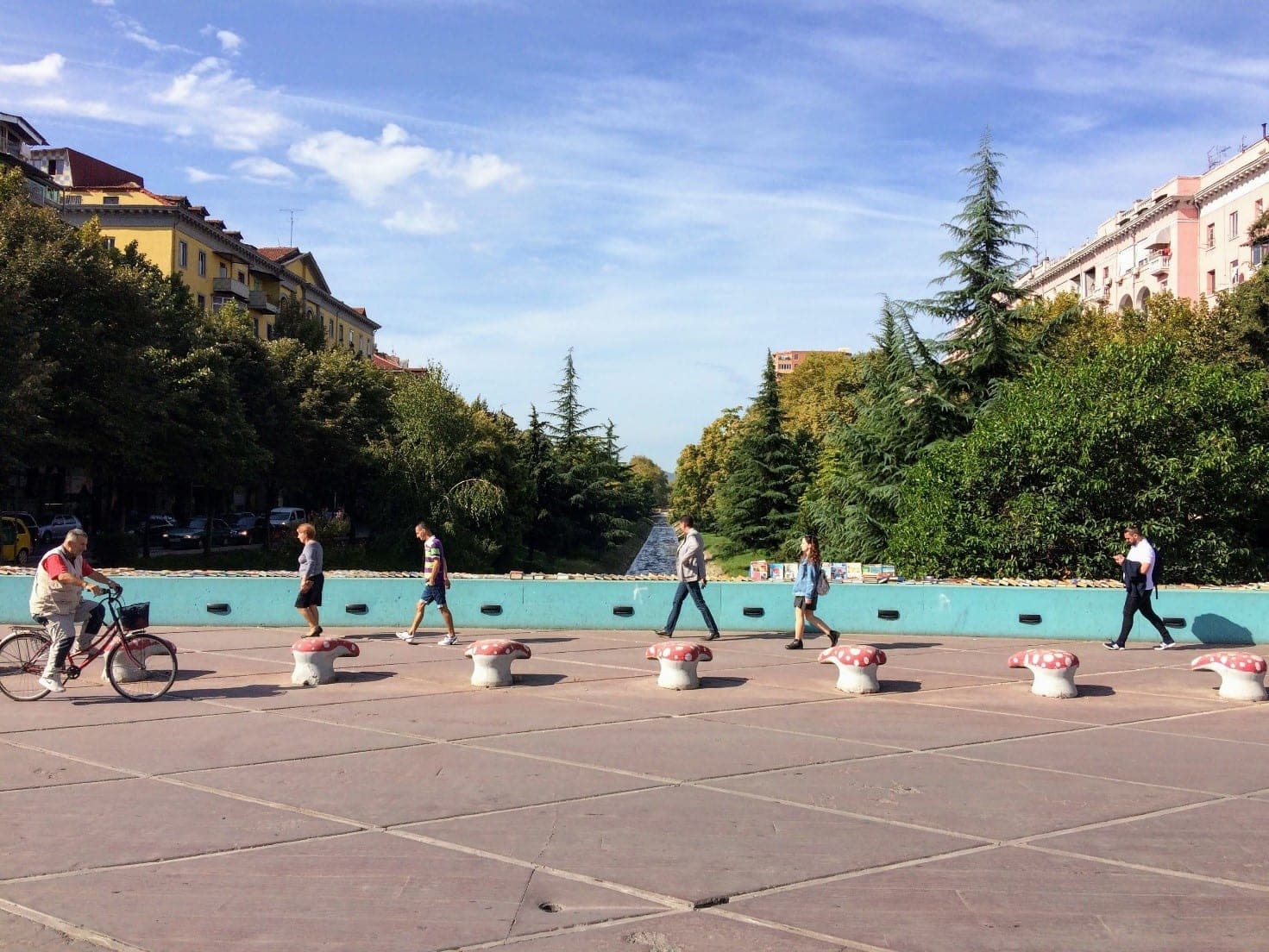
Tirana, Albania’s capital, has experienced rapid, largely unplanned urban growth, leading to insufficient infrastructure—roads, water, sewers, and public facilities. This has caused congestion, high traffic volumes, and environmental pressures despite relatively low car ownership that has nonetheless doubled in seven years. The city’s dense layout, large walking population, and emerging car‑ownership culture create a dual mobility pattern that the SUMP aims to balance.
Core Strategies and Policy Pillars
The plan outlines six key strategies:
- Expand and improve public transport quality, coverage, and inclusiveness.
- Promote cycling, micro‑mobility (e‑scooters, hoverboards) and active travel.
- Build a “Mobility Resilient Tirana” through combined infrastructure and soft policy measures.
- Manage parking, logistics, and pricing to influence modal choice.
- Adopt child‑centred street design to enhance safety and accessibility for families.
- Deploy intelligent transport systems, digital solutions, and e‑mobility technologies. These pillars are supported by a multi‑criteria analysis that ranked a “balanced scenario” as the most promising, offering efficient resource allocation and strong results.
Data, Indicators, and Monitoring
The SUMP aligns its outcome indicators with the EU Sustainable Urban Mobility Indicators (SUMI) and defines output indicators linked to the six strategies. Data collection includes stakeholder workshops, surveys (December 2019), focus groups (adapted to online formats during COVID‑19), and field observations. Monitoring will use these indicators to assess progress, value for money, and the need for adjustments over time.
Implementation Challenges and Adaptations
During drafting, Tirana faced two major shocks: the strongest earthquake in Albania (November 2019) and the COVID‑19 pandemic. Both required timeline revisions and a shift to online stakeholder engagement. Despite these disruptions, the city maintained a participatory approach, holding monthly virtual sessions and maintaining strong municipal commitment.
Partnerships and Funding Sources
The SUMP development was funded by the Sustainable Urban Mobility in South‑East European Countries II (SUMSEEC II) project, itself financed by the Open Regional Fund for South‑East Europe – Energy Efficiency (ORF‑EE). Implementation is supported by GIZ and the German Federal Ministry for Economic Cooperation and Development (BMZ). Technical expertise was provided by TRT Trasporti e Territorio, while communication and stakeholder involvement were handled by SEE Change Net and EDEN.
Access and Further Information
The full case study is available on the EU Urban Mobility Observatory website. Contact persons for detailed queries are Simone Bosetti (bosettitrt @ it), Milenka Knežević (milenka @ giz de), and Enton Punavija (enton @ tirana al). The resource is intended to inform European cities about integrated mobility planning, showcasing how Tirana’s experience can guide similar urban contexts seeking sustainable transport solutions.