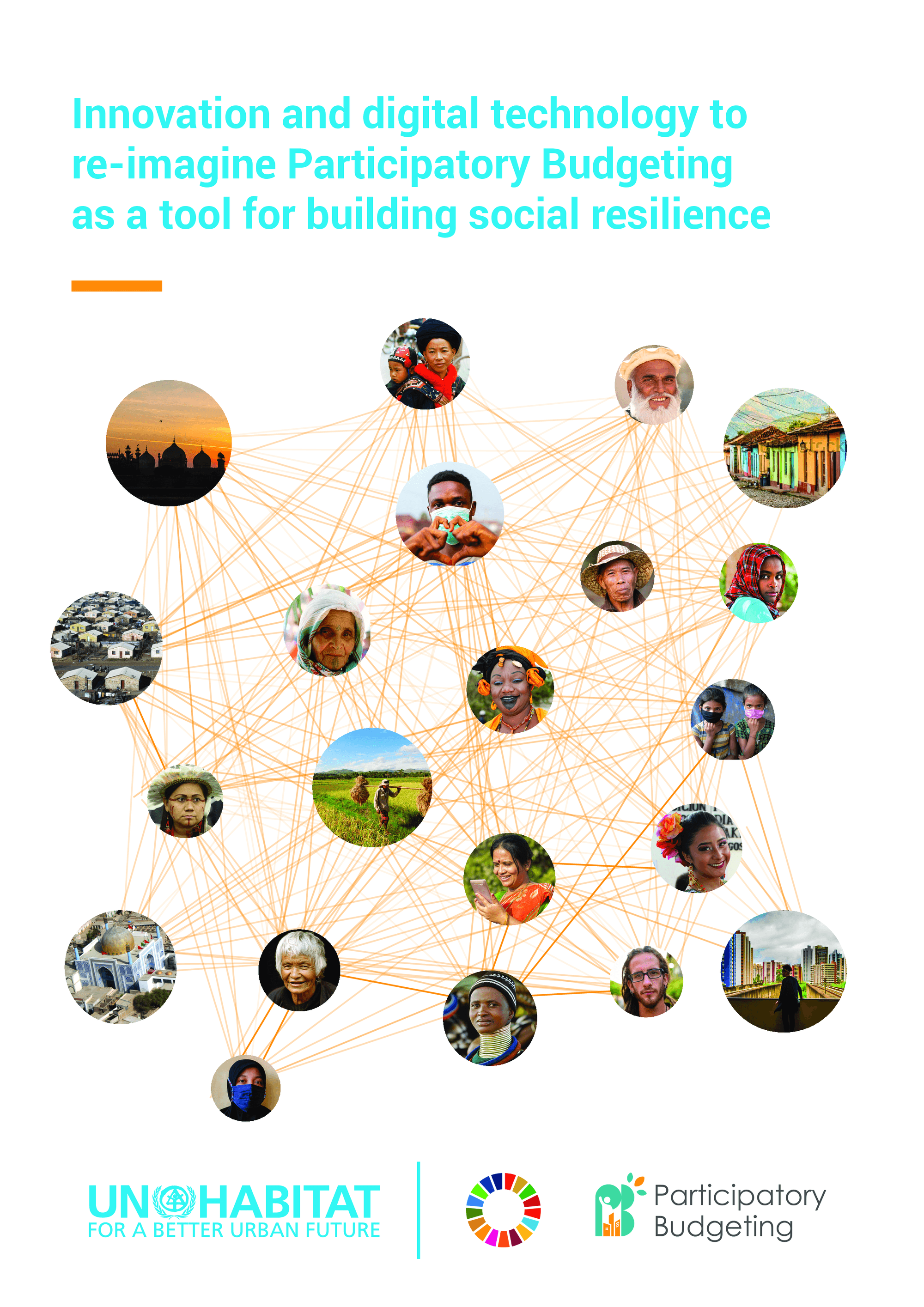
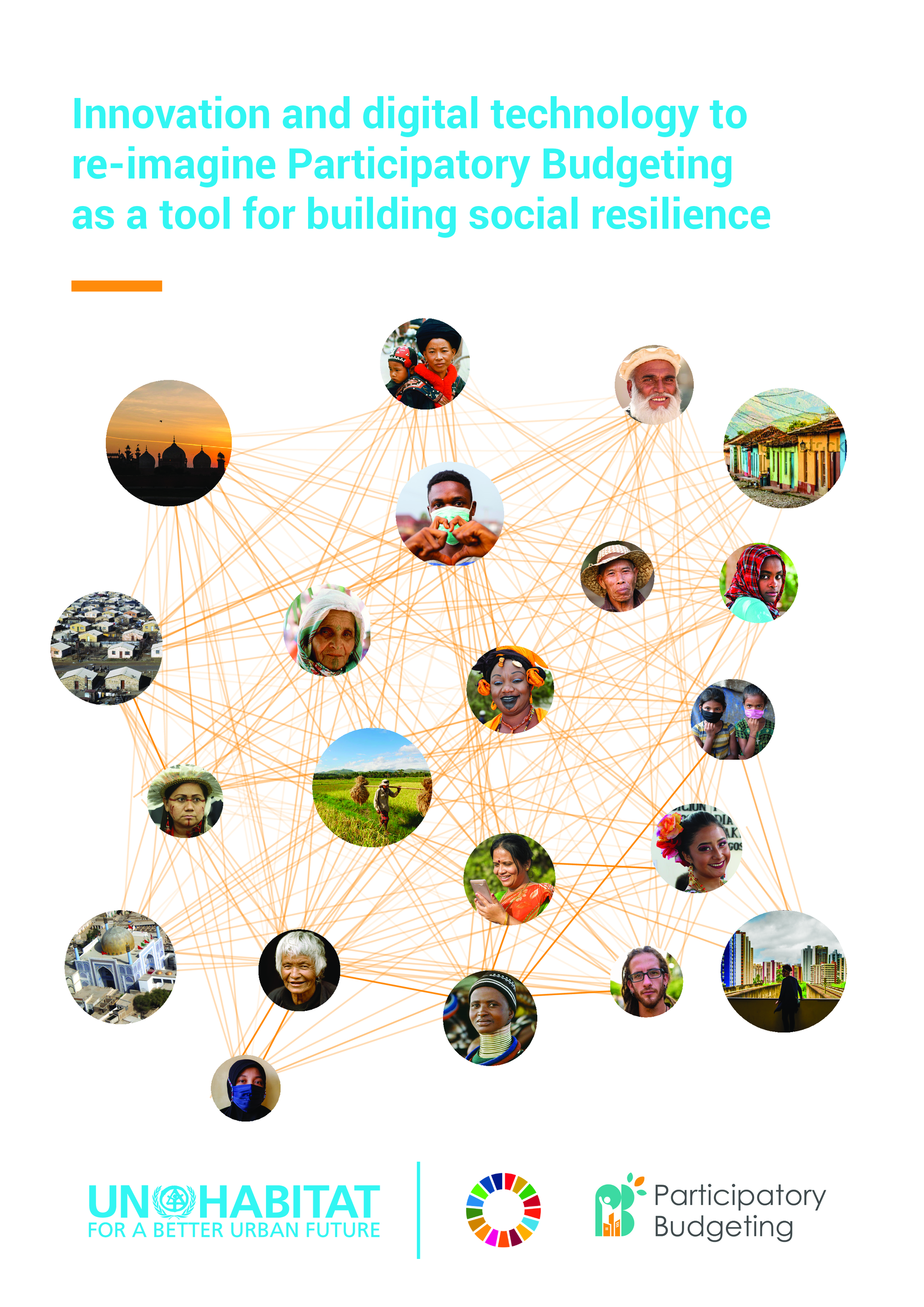
Overview of the Report
The document is a UN‑Habitat report titled “Innovation and digital technology to re‑imagine Participatory Budgeting as a tool for building social resilience.” It is authored by Roberto Herrera Castro and Giuseppe Tesoriere, senior researchers within UN‑Habitat’s Knowledge and Innovation Branch. UN‑Habitat, the United Nations Human Settlements Programme, leads global efforts on sustainable urban development, housing, and resilience.
Purpose and Scope
The study examines how digital tools—online platforms, social media, mobile apps, and artificial intelligence—can strengthen participatory budgeting (PB) processes, thereby enhancing social resilience in cities. It links PB to the United Nations Sustainable Development Goals, the New Urban Agenda, and post‑COVID‑19 recovery strategies.
Key Findings on Digital Platforms
- Online PB platforms are used in European cities such as Bologna, Paris, Lisbon, and Madrid, with budgets ranging from €1 million to €100 million.
- Hybrid approaches that combine online and offline activities are shown to increase inclusivity and reduce social bias.
- Digital rights frameworks are recommended to ensure equitable access and protect vulnerable groups.
Social Media and Mobile Apps Impact
- Social media (e.g., Facebook, Twitter, Instagram) and mobile applications are highlighted as low‑cost, high‑reach tools for citizen engagement.
- Case studies from Chicago illustrate how PB combined with social media mobilised thousands of residents and allocated US$4 million in discretionary funds.
- Mobile‑app typologies (local‑network, public‑dialog, citizen‑impact, nudge) are mapped to specific governance needs.
Artificial Intelligence Opportunities
- AI can process large datasets, automate translation for multilingual contexts, and support predictive resource allocation.
- Examples include AI‑driven chatbots that assist citizens in project proposal submission and voting.
- Limitations are noted: AI is not a universal solution and must be paired with human oversight and offline mechanisms.
Global and Regional Context
- The report references UN‑Habitat’s COVID‑19 Response Plan, which mobilised US $30 million for 74 countries, underscoring the urgency of resilient, digital‑enabled governance.
- European digital participation initiatives receive EU funding, aligning with the European Green Deal’s emphasis on inclusive, tech‑driven urban policies.
Data Highlights
- PDF Size: 9.2 MB (indicating a comprehensive document).
- Processing State: Completed, Status: Pending (awaiting final approval).
- AI‑Generated: Yes, reflecting the integration of automated analysis.
- Year of Publication: 2021, situating the work in the early post‑pandemic period.
Recommendations for Practitioners
- Adopt hybrid PB models that blend digital platforms with face‑to‑face workshops.
- Implement clear digital‑rights policies to safeguard inclusion.
- Tailor technology choices to local capacities—consider education levels, internet penetration, and institutional expertise.
- Use AI selectively for data‑intensive tasks while maintaining transparency.
- Secure sustainable financing, leveraging EU funds and public‑private partnerships, to scale digital PB initiatives.
Access and Further Information
The full report is available through UN‑Habitat’s website and can be accessed via the provided link. It serves as a reference for city officials, housing policymakers, and NGOs seeking evidence‑based strategies to integrate digital innovation into participatory budgeting and, ultimately, to foster resilient, sustainable housing solutions across Europe.